
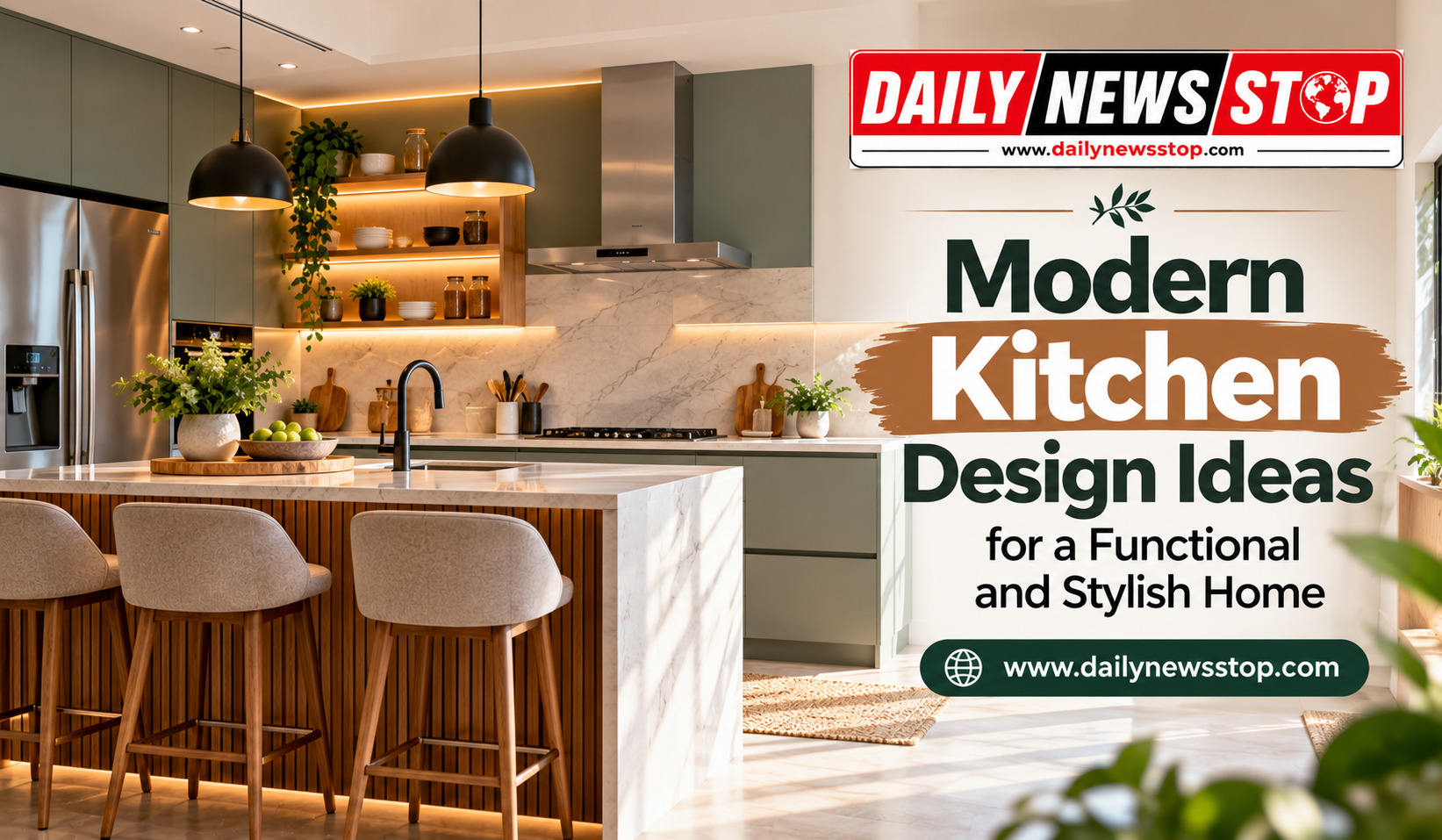
A modern kitchen should look beautiful while making everyday cooking, cleaning, and storage easier. With the right modern kitchen design ideas, you can create a space that combines attractive finishes, practical layouts, smart storage, and comfortable lighting. Whether you have a spacious family kitchen or a compact apartment kitchen, thoughtful design choices can improve both its appearance and functionality.
However, a stylish kitchen is not simply about choosing fashionable cabinets or expensive appliances. The layout, work surfaces, storage arrangements, ventilation, and lighting also influence how well the space performs. Therefore, the best kitchen design balances visual appeal with your daily needs.
Fortunately, you do not need a complete renovation to refresh your kitchen. Changing cabinet colours, improving storage, updating lighting, or introducing a practical backsplash can make a noticeable difference.
From minimalist cabinets to warm natural materials, these modern kitchen design ideas can help you create an organised, comfortable, and attractive space that suits your home and lifestyle.
1. Choose a Minimalist Kitchen Design
Minimalist kitchens focus on clean lines, simple colours, and uncluttered surfaces. This style works particularly well in modern homes because it creates a calm appearance without unnecessary decoration.
Instead of filling every wall with decorative features, concentrate on functional cabinets, practical worktops, and a coordinated colour palette.
Use Simple Cabinet Designs
Flat-panel cabinets are a popular choice for contemporary kitchens. Their smooth surfaces create a neat appearance and can be easier to coordinate with different interior styles.
Choose white, beige, light grey, or natural wood finishes for a timeless look. Meanwhile, darker colours can introduce contrast when balanced with suitable lighting and lighter surfaces.
Keep Countertops Clear
A clutter-free countertop makes cooking and cleaning more convenient. Store appliances that you rarely use inside cabinets, and keep only essential items within easy reach.
For example, a small tray can organise frequently used cooking oils and seasonings without spreading them across the worktop.
However, minimalism does not mean removing everything. Keep everyday tools accessible and design storage around the way you actually cook.
2. Select a Practical Kitchen Layout
The kitchen layout affects how easily you can prepare meals, clean dishes, and move between work areas. Therefore, consider your available space before selecting cabinets or decorative finishes.
A well-planned layout should provide convenient access to the sink, cooking area, refrigerator, and food preparation surfaces.
L-Shaped Kitchen
An L-shaped kitchen uses two adjoining walls to create an efficient working area. It suits many small and medium-sized homes because it can leave the remaining space open for movement or a dining table.
This layout also provides flexibility when arranging cabinets and appliances.
U-Shaped Kitchen
A U-shaped kitchen uses three sides of the room for cabinets and work surfaces. It can provide substantial storage and preparation space, making it useful for households that cook frequently.
However, allow enough room between opposing counters so people can move comfortably and open drawers without obstruction.
Parallel Kitchen
A parallel kitchen places cabinets and counters along two opposite walls. It is often suitable for narrow rooms and can provide an organised arrangement of cooking, washing, and preparation areas.
Keep the walkway wide enough for comfortable use. In addition, plan appliance doors and cabinet drawers carefully to avoid collisions.
Island Kitchen
A kitchen island can provide extra preparation space, storage, seating, or a place for informal meals. Nevertheless, it works best when the room has enough space for safe movement around all sides.
For compact kitchens, a movable trolley or narrow peninsula may provide similar benefits without requiring a permanent island.
3. Use Smart Storage to Reduce Clutter
Storage is essential for a functional kitchen. Without a clear organisation system, utensils, groceries, cookware, and appliances can quickly occupy valuable countertop space.
Fortunately, modern storage solutions help you use existing cabinets more efficiently.
Install Pull-Out Drawers
Deep pull-out drawers can make pots, pans, containers, and kitchen tools easier to access. Unlike traditional shelves, they allow you to see items near the back without removing everything in front.
Use dividers to separate lids, utensils, and smaller accessories.
Add Vertical Cabinet Organisers
Vertical organisers are useful for baking trays, chopping boards, serving platters, and selected cookware. They keep items separated and reduce the need to stack everything in a single pile.
Similarly, adjustable shelves can accommodate containers of different heights.
Use Corner Storage
Kitchen corners can be difficult to access when standard shelves extend deep into the cabinet. Depending on the design, rotating shelves, pull-out corner units, or carefully arranged storage bins can make these spaces more useful.
Before purchasing accessories, measure the cabinet dimensions and check that the chosen product fits properly.
Make Use of Wall Space
Wall-mounted rails and shelves can hold frequently used utensils, mugs, or lightweight kitchen essentials. However, keep heavy items securely mounted and avoid placing storage near direct heat.
The aim is to make everyday items accessible without creating a crowded appearance.
4. Choose a Modern Kitchen Colour Scheme
Colour influences the kitchen’s overall atmosphere and can help connect cabinets, walls, flooring, and appliances.
For a coordinated result, choose one main colour, a secondary shade, and a small number of complementary accents.
White and Wood
White cabinets combined with natural wood create a bright, welcoming kitchen. White helps the room feel open, while wood introduces warmth and texture.
This pairing works well in minimalist, Scandinavian-inspired, and contemporary homes.
Grey and White
Grey and white offer a clean, understated appearance. Light grey cabinets can soften an otherwise bright kitchen, while darker grey creates a stronger contrast.
Add warm lighting or wooden accessories if the combination feels too cool.
Sage Green and Cream
Sage green introduces a subtle natural colour without overwhelming the space. Combined with cream countertops or walls, it creates a calm and inviting atmosphere.
This palette works particularly well with natural wood, brushed metal fixtures, and simple decorative details.
Navy Blue and White
Navy blue cabinets can create a striking focal point, especially when paired with white countertops or a light backsplash.
Use navy selectively in compact kitchens if you want to maintain a brighter appearance. In larger kitchens, darker cabinetry can create a more dramatic effect.
5. Install Durable and Attractive Countertops
Countertops are among the most frequently used surfaces in a kitchen. They must withstand everyday food preparation, cleaning, and contact with common kitchen items.
Therefore, choose a material based on durability, maintenance, appearance, and budget rather than colour alone.
Quartz Surfaces
Engineered quartz is available in many colours and patterns. Many quartz products are nonporous and do not require routine sealing, although care requirements vary by manufacturer.
However, quartz surfaces can be sensitive to excessive heat. Use trivets or heat-resistant pads instead of placing hot cookware directly on the counter.
Granite Countertops
Granite offers natural patterns and a distinctive appearance. Depending on the type and finish, it may require periodic sealing to help resist staining.
Because each slab can vary, inspect the actual material before purchasing if pattern consistency matters to you.
Solid-Surface Countertops
Solid-surface materials can create a smooth, coordinated appearance and may allow inconspicuous joints. Their resistance to heat, scratches, and stains depends on the specific product.
Review the manufacturer’s maintenance guidance before making a decision.
Choose a Practical Colour
Light countertops can make a compact kitchen feel brighter, while darker surfaces create contrast against pale cabinets.
Consider the colour of your flooring and backsplash as well. A countertop that complements these elements will create a more cohesive design.
6. Add a Stylish and Easy-to-Clean Backsplash
A backsplash protects the wall behind cooking and washing areas while providing an opportunity to introduce colour, texture, or pattern.
The best choice depends on your cooking habits, cleaning routine, and overall kitchen style.
Use Classic Subway Tiles
Subway tiles offer a simple, timeless appearance. White tiles with contrasting grout create definition, while matching grout produces a more seamless look.
They work well with both traditional and contemporary cabinets.
Try Large-Format Tiles
Large-format tiles reduce the number of grout lines across a wall. As a result, some designs can look cleaner and require less grout cleaning.
Choose a suitable finish for areas exposed to splashes and grease.
Consider a Matching Slab Backsplash
Extending the countertop material up the wall creates a coordinated, streamlined appearance. This option can look especially effective in minimalist kitchens.
However, compare installation and material costs before committing to a full-height slab.
Introduce Pattern Carefully
Patterned tiles can add personality to a neutral kitchen. For a balanced result, use them in a defined area rather than combining several competing patterns.
Always choose a backsplash that can withstand the conditions near your stove and sink.
7. Improve Kitchen Lighting
Good lighting makes a kitchen safer, more comfortable, and easier to use. A single ceiling light may leave shadows on work surfaces, especially when upper cabinets block the light.
Instead, combine general lighting with focused task lighting and optional decorative illumination.
Add Under-Cabinet Lights
Under-cabinet lighting illuminates countertops where you chop vegetables, prepare ingredients, and complete other tasks.
LED strips or suitable low-profile fixtures can provide practical illumination without occupying valuable workspace.
Use Pendant Lights Where Appropriate
Pendant lights can add character above an island or dining counter. Choose a size and hanging height that suits the room, and make sure the fixtures do not obstruct movement or sightlines.
For small kitchens, compact pendants or flush-mounted fixtures may be more practical.
Choose Suitable Light Colour
Warm-white lighting creates a welcoming atmosphere, while neutral-white lighting can help provide clear visibility for food preparation.
Consider how the lighting interacts with cabinet and countertop colours. If possible, use compatible lighting across the kitchen to avoid inconsistent colour appearances.
Electrical work should follow applicable safety requirements and be completed by a qualified professional when necessary.
8. Select Modern Kitchen Cabinets and Hardware
Cabinets occupy a large part of the kitchen’s visual space. Consequently, their design can strongly influence whether the room feels traditional, contemporary, or minimalist.
Choose a cabinet style that complements your home’s overall interior rather than following a trend without considering long-term use.
Try Handleless Cabinets
Handleless cabinets create a smooth, uninterrupted appearance. Depending on the design, they may use recessed channels, integrated pulls, or push-to-open mechanisms.
Before choosing this style, test how comfortably the doors and drawers open. Fingerprints and cleaning requirements may also vary with the finish.
Mix Cabinet Finishes
Combining two cabinet colours can add depth without making the kitchen visually busy. For example, use light upper cabinets and darker lower cabinets.
Another option is to pair neutral cabinets with a wood-finish island or pantry unit.
Choose Practical Hardware
Handles, hinges, drawer runners, and soft-close mechanisms affect daily convenience. Select durable hardware that suits the cabinet weight and expected use.
Simple black, stainless-steel, or brushed-metal handles can complement many modern designs.
9. Make a Small Kitchen Feel More Spacious
A small kitchen can be functional and attractive when the layout, storage, and colour choices work together.
The goal is not to make the kitchen look empty. Instead, create enough visual openness and clear workspace for comfortable daily use.
Use Light Colours Strategically
White, cream, pale grey, and light wood finishes can help a compact kitchen feel brighter. Reflective surfaces may also help distribute light, depending on their placement.
However, you do not need to make every surface white. A darker lower cabinet or colourful backsplash can add interest without overwhelming the room.
Choose Compact Appliances
Where suitable, compact appliances can free up counter and cabinet space. Measure carefully before buying, and make sure each appliance meets your household’s capacity needs.
For example, a smaller microwave may suit a household that mainly reheats food, while a larger family may need more capacity.
Keep Walkways Clear
Avoid placing stools, bins, or movable trolleys where they block cabinet doors or walking routes.
A clear layout makes the kitchen easier to clean and safer to use. Additionally, keeping counters organised helps create a more spacious appearance.
10. Introduce Natural Materials and Greenery
Natural materials can make a modern kitchen feel warmer and more personal. Wood, stone, woven textures, and selected plants provide contrast against smooth cabinets and appliances.
Add Wooden Details
Wooden chopping boards, stools, shelves, or cabinet finishes can soften a kitchen dominated by metal and glossy surfaces.
Choose materials and finishes suited to the moisture and cleaning conditions of the room. Keep wood away from standing water and dry it properly after cleaning.
Display a Few Indoor Plants
Small plants can introduce greenery to a kitchen. Suitable herbs may also provide fresh leaves for cooking.
Choose plants based on the amount of daylight available. Place them away from direct heat, and keep them clear of food preparation surfaces where soil or water could contaminate food.
If counter space is limited, consider a secure shelf or windowsill planter where appropriate.
Use Natural Textures
A woven basket, linen tea towel, or simple wooden accessory can add warmth without creating clutter.
Limit decorative objects to a few carefully selected pieces. This keeps the kitchen practical and easy to maintain.
11. Choose Appliances That Match Your Lifestyle
Modern kitchen appliances can improve convenience, but the most expensive or feature-packed option is not always the best choice.
Before buying anything, consider how often you cook, the number of people in your household, available space, and maintenance requirements.
Prioritise Essential Appliances
A refrigerator, cooking appliance, and suitable ventilation may be essential for most households. Other products, such as dishwashers, air fryers, or built-in coffee machines, depend on personal habits and available space.
Choose products that solve real problems rather than adding equipment you will rarely use.
Consider Energy Efficiency
Compare the energy ratings and expected running costs of appliances when reliable information is available. In India, check applicable Bureau of Energy Efficiency star labels for covered products.
Also, consider capacity and operating features. An efficient appliance that suits your needs can be more useful than an oversized model with unnecessary features.
Plan Appliance Placement
Position appliances so that daily tasks flow naturally. Keep the refrigerator accessible, provide adequate space for food preparation, and follow installation clearances for heat-producing equipment.
Proper ventilation is particularly important for cooking appliances and refrigerators. Always follow the manufacturer’s installation instructions.
12. Improve Kitchen Ventilation and Safety
Ventilation helps remove cooking fumes, odours, moisture, and airborne particles. A well-designed kitchen should provide suitable ventilation for its cooking method and room layout.
Install a Suitable Chimney or Extractor
In kitchens where cooking produces substantial smoke or grease, a properly selected and installed extractor can help manage indoor air quality.
Choose a model that suits the cooking area and installation conditions. Clean filters and maintain the equipment according to the manufacturer’s instructions.
Keep Safety in Mind
A stylish kitchen must also be safe and convenient.
- Keep flammable materials away from cooking surfaces.
- Store knives and sharp tools securely.
- Keep electrical appliances away from water.
- Maintain clear access to exits and essential controls.
- Use suitable heat-resistant surfaces around cooking equipment.
- Arrange electrical and gas installations according to applicable safety requirements.
Good planning makes the kitchen easier to use while reducing avoidable risks.
Key Takeaways
- Choose a kitchen layout that supports comfortable movement and efficient cooking.
- Use minimalist cabinets and coordinated colours for a clean modern appearance.
- Improve organisation with pull-out drawers, corner storage, and vertical organisers.
- Select durable countertops and a backsplash suited to everyday cooking.
- Combine general, task, and decorative lighting for better visibility.
- Use natural materials and a few plants to add warmth and greenery.
- Select appliances based on household needs, capacity, and energy efficiency.
- Prioritise ventilation, safe installation, and easy maintenance.
- Make small kitchens feel more spacious by keeping work surfaces and walkways clear.
Frequently Asked Questions
1. What are the best modern kitchen design ideas for a small home?
Light-coloured cabinets, compact appliances, vertical storage, pull-out drawers, under-cabinet lighting, and a practical layout can help a small kitchen feel more spacious and functional.
2. Which colours are best for a modern kitchen?
White, grey, beige, sage green, navy blue, and natural wood tones are versatile choices that can create contemporary kitchens with different moods and styles.
3. Which kitchen layout is best for a compact apartment?
An L-shaped or parallel kitchen often suits compact apartments, although the best layout depends on the room’s dimensions, door positions, plumbing, and appliance requirements.
4. How can I make my kitchen look modern without a full renovation?
You can refresh cabinet hardware, improve lighting, organise countertops, update the backsplash, introduce coordinated accessories, and repaint suitable surfaces.
5. How can I make a modern kitchen both stylish and functional?
Choose durable materials, organise storage around your cooking habits, provide suitable lighting and ventilation, and keep enough clear workspace for everyday tasks.