
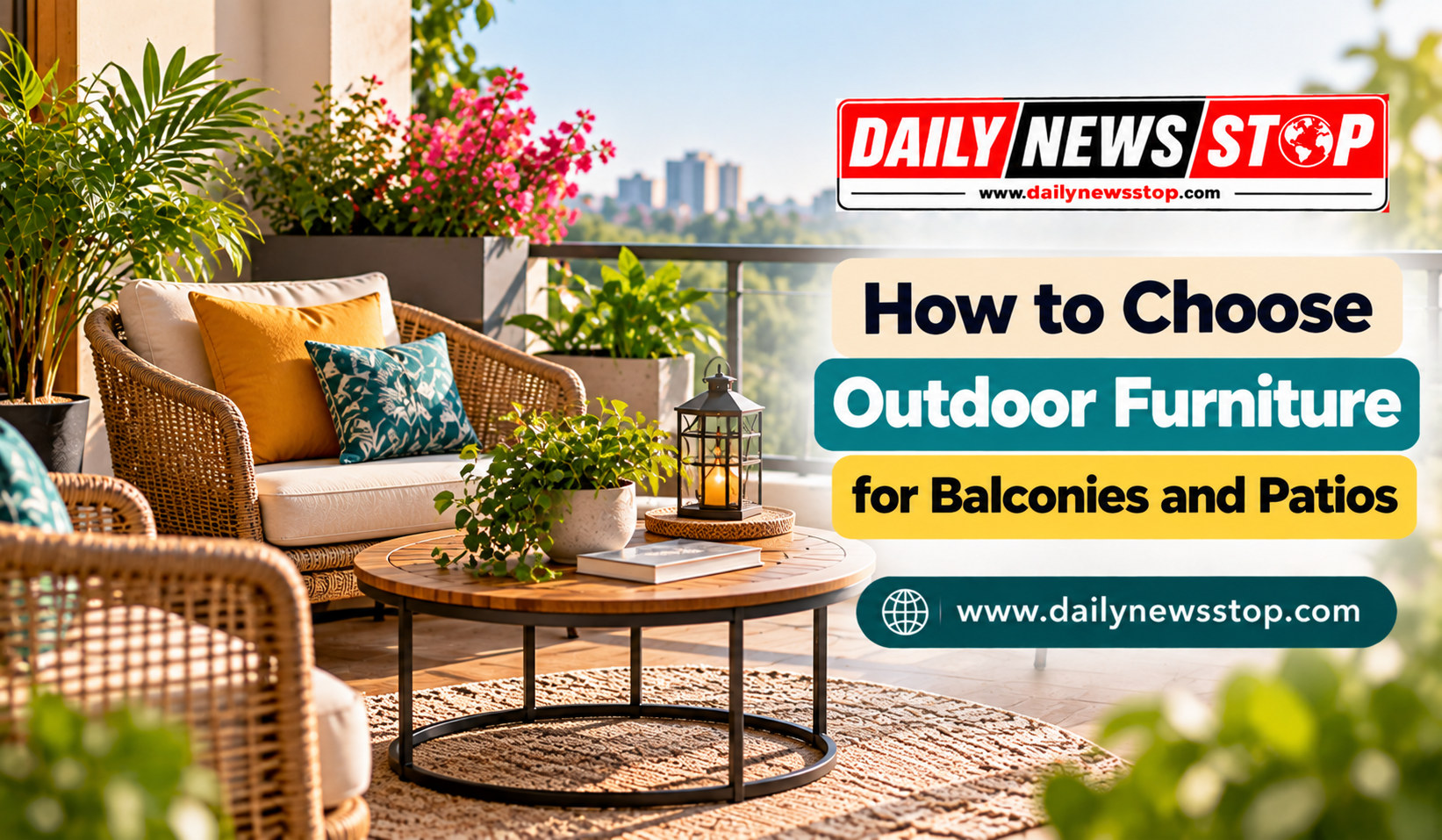
Choosing the right outdoor furniture can turn a balcony or patio into a comfortable place to relax, enjoy your morning tea, read a book, or spend time with family. However, outdoor spaces have different needs from indoor rooms. Furniture must fit the available area, provide comfort, complement your home’s style, and withstand exposure to sunlight, rain, dust, and changing weather.
The best way to choose outdoor furniture is to consider how you plan to use the space before shopping. A compact balcony may need just two chairs and a small table, while a spacious patio could accommodate a dining set, lounge seating, and decorative planters. Therefore, your choices should reflect your available space, daily routine, climate, and budget.
With a little planning, you can create an attractive outdoor area without overcrowding it or spending more than necessary. Here are practical tips to help you select outdoor furniture that balances comfort, durability, and style.
1. Measure Your Balcony or Patio Before Shopping
One of the first steps when choosing outdoor furniture is measuring the available space. A large furniture set may look attractive in a showroom but feel uncomfortable on a narrow balcony. Similarly, a tiny table and two chairs might look out of place on a spacious patio.
Start by measuring the length and width of the usable area. Then, note the position of doors, railings, pillars, steps, and outdoor equipment that could affect furniture placement.
Remember to leave enough room for walking and moving chairs. Furniture should make the space easier to use rather than block access.
Consider these practical tips:
- Measure the available floor area before selecting furniture.
- Check the dimensions of every table, chair, sofa, or bench.
- Leave enough space to open doors and move around comfortably.
- Consider folding or stackable pieces for compact balconies.
- Use a simple floor plan to test different arrangements.
For example, a small apartment balcony may work better with two slim chairs and a round side table than with a bulky outdoor sofa. Meanwhile, a large patio can accommodate separate seating and dining areas.
Before ordering online, check the product dimensions carefully instead of relying on photographs alone.
2. Decide How You Want to Use the Space
Your outdoor furniture should support the activities you enjoy most. Therefore, decide on the main purpose of your balcony or patio before choosing individual pieces.
If you enjoy drinking coffee outdoors, a small table and two comfortable chairs may be sufficient. On the other hand, a family that regularly eats outside may benefit from a dining table with several seats.
Here are some common outdoor furniture arrangements:
Relaxation and Reading
Choose a comfortable lounge chair, a compact side table, and cushions made for outdoor use. A small footrest can provide additional comfort if space allows.
Outdoor Dining
Select a table with enough seating for your household and occasional guests. Folding chairs can provide extra seating without taking up permanent space.
Entertaining Guests
A small outdoor sofa, a few chairs, and a coffee table can create a welcoming conversation area. Arrange the seats so people can talk comfortably without stretching across a large space.
Gardening and Quiet Time
A simple bench beside planters can create a peaceful corner. Add a small table for gardening tools, a book, or a cup of tea.
If you have limited space, focus on one main purpose first. You can always add more furniture later if the layout allows.
3. Choose Weather-Resistant Furniture Materials
Outdoor furniture faces more environmental stress than indoor furniture. Direct sunlight can fade colours, rain can damage unsuitable materials, and moisture can encourage rust or mould. Consequently, the material you choose has a major effect on durability and maintenance.
Different materials offer different benefits, so compare them according to your climate and the amount of protection your outdoor space receives.
Wood
Wood creates a natural, warm appearance that suits balconies, patios, and garden spaces. Teak is a popular outdoor option because its natural oils help it resist moisture. However, other types of wood may require suitable treatment and more frequent care.
Wood furniture is worth considering if you prefer a classic appearance and do not mind occasional maintenance.
Aluminium
Aluminium furniture is lightweight and naturally resistant to rust. It is also easy to move, making it suitable for balconies where furniture may need to be rearranged.
Powder-coated aluminium can provide an attractive finish in several colours. Nevertheless, metal surfaces can become hot under direct sunlight, so consider cushions or shaded placement.
Synthetic Rattan
Synthetic rattan offers the woven appearance of natural wicker while providing better suitability for outdoor conditions when made from quality weather-resistant materials.
Look for UV-resistant synthetic weaving and a suitable frame, such as aluminium. Avoid assuming that all woven furniture is designed for continuous outdoor exposure.
Plastic and High-Density Polyethylene
Plastic furniture is often lightweight, affordable, and easy to clean. Higher-quality outdoor plastic or high-density polyethylene furniture can also offer good resistance to moisture.
However, check the product’s construction and UV protection because quality varies between products.
Metal and Steel
Metal furniture can create a sleek, modern look. However, steel and iron may rust if their protective finish becomes damaged. Choose properly treated or powder-coated products and inspect them periodically.
The following table provides a simple comparison.
| Material | Main advantage | What to consider |
| Teak and suitable outdoor wood | Natural appearance and durability | Cost and periodic maintenance |
| Aluminium | Lightweight and rust-resistant | Can become hot in direct sun |
| Synthetic rattan | Woven appearance and easy styling | Quality of the weave and frame |
| Plastic or HDPE | Easy cleaning and practical use | UV resistance and construction quality |
| Steel or iron | Strong structure and varied designs | Rust protection and finish maintenance |
The right material depends on your local weather, exposure to rain and sunlight, and willingness to maintain the furniture.
4. Prioritise Comfort Before Appearance
Outdoor furniture should look attractive, but it should also be comfortable enough for regular use. A stylish chair may not be suitable for long conversations if the seat feels too hard or the backrest provides insufficient support.
Whenever possible, try the furniture before buying it. Sit on the chairs, test the seat depth, and check whether the table height feels appropriate.
If you are purchasing online, review the product dimensions, construction details, customer feedback, and cushion specifications.
Keep these points in mind:
- Choose chairs with supportive backrests.
- Check the seat height and depth.
- Select cushions designed for outdoor conditions.
- Consider armrests if you plan to sit for long periods.
- Make sure dining chairs fit comfortably beneath the table.
For example, a balcony used for morning tea may only need simple chairs with supportive seats. However, a patio designed for long family gatherings may benefit from deeper lounge seating and removable cushions.
Comfort also depends on placement. Even excellent furniture can feel unpleasant if it sits in direct afternoon sunlight without shade.
5. Select Furniture That Fits Your Budget
Outdoor furniture is available in a wide range of designs and prices. Before shopping, decide how much you can comfortably spend and identify the items that matter most.
Avoid spending your entire budget on one decorative piece if you still need practical seating or a suitable table. Instead, begin with essential furniture and add accessories when you can afford them.
A simple budget plan might include:
- Essential items: Chairs, a table, or a bench.
- Comfort additions: Outdoor cushions and footrests.
- Weather protection: Suitable covers or a shade solution.
- Decorative details: Planters, outdoor rugs, and lanterns.
Also, consider the total cost of ownership. A cheaper piece may require frequent repairs or replacement, while a more durable option may offer better value over time.
However, expensive furniture is not automatically better. Compare the materials, construction, warranty, and care requirements before making a decision.
If your budget is limited, start with a few useful pieces rather than purchasing a complete matching set.
6. Make Small Balconies More Functional
A small balcony can become a relaxing outdoor retreat when you use the available space wisely. The main challenge is choosing furniture that provides enough comfort without blocking the walking area.
Instead of bulky sofas or oversized tables, consider compact and multifunctional options.
Useful choices include:
- Folding chairs that can be stored when not in use.
- A small round table for drinks or snacks.
- A narrow bench placed against a wall.
- Stackable seating for occasional guests.
- A wall-mounted or railing-mounted table where permitted.
- A storage bench for small outdoor essentials.
Vertical space can also help. Wall-mounted planters and shelves may introduce greenery without occupying the floor.
For example, a narrow balcony can feel more open with two folding chairs, a compact table, and a few railing planters. When you need additional room, you can fold the chairs and move the table aside.
Avoid filling every corner simply because space is available. Leaving part of the floor clear makes the balcony easier to use and maintain.
For apartment balconies, also check building rules before attaching furniture, planters, or accessories to railings and walls.
7. Choose Colours That Complement Your Home
Outdoor furniture should complement your home’s exterior and the appearance of nearby rooms. A coordinated colour scheme can make a balcony or patio feel like a natural extension of your living space.
Neutral shades such as beige, white, grey, and natural wood tones are versatile choices. They work well with greenery and allow you to introduce brighter colours through cushions or accessories.
Alternatively, you can use deeper colours to create a distinctive outdoor setting.
Consider these combinations:
- Natural wood and cream: Creates a warm, relaxed atmosphere.
- Black and grey: Offers a clean, contemporary appearance.
- White and green: Gives the space a fresh, garden-inspired feel.
- Beige and terracotta: Adds warmth through earthy shades.
- Dark blue and neutral cushions: Creates a balanced contrast.
If you already have colourful walls, patterned flooring, or many plants, simpler furniture may help maintain visual balance.
You do not need to match every item exactly. Instead, choose two or three complementary colours and repeat them across the furniture, cushions, and accessories.
Also, remember that strong sunlight can fade some finishes and fabrics. Select outdoor-rated materials if your furniture receives direct sun for several hours each day.
8. Consider Cushions and Outdoor Fabrics
Cushions can make outdoor chairs and sofas much more comfortable. They also provide an easy way to introduce colour, patterns, and texture. However, ordinary indoor cushions may not handle rain, humidity, or prolonged sunlight well.
Choose cushions made with outdoor-rated fabrics and suitable fillings. Look for products designed to resist fading and allow moisture to drain or dry effectively.
Before buying, check:
- Whether the fabric is designed for outdoor use.
- Whether the covers can be removed for cleaning.
- How quickly the cushions dry after getting wet.
- Whether the colours resist fading.
- Whether replacement covers are available.
Even weather-resistant cushions benefit from protection. Store them indoors during heavy rain or long periods of non-use, or use a suitable storage box.
For example, a covered patio may need less protection than an open terrace exposed to direct rain. Nevertheless, both spaces benefit from regular cleaning and proper cushion storage.
Do not assume that a cushion labelled water-resistant is completely waterproof. Check the manufacturer’s care instructions and avoid leaving soft furnishings wet for extended periods.
9. Plan for Sunlight, Rain, and Shade
Weather conditions should influence both your furniture selection and its placement. A balcony that receives morning sunlight has different needs from an open patio exposed to strong afternoon sun and heavy rain.
Start by observing how sunlight moves across your outdoor area during the day. Then, decide whether you need a parasol, awning, pergola, or another suitable shade option.
Consider these practical measures:
- Place seating in a naturally shaded area when possible.
- Choose UV-resistant materials for sunny locations.
- Use suitable covers during prolonged rain or non-use.
- Move lightweight furniture to a sheltered area when necessary.
- Keep drainage areas clear so water does not collect around furniture.
- Follow safe installation guidance for umbrellas and shade structures.
In areas with heavy monsoon rain, choose furniture that can handle frequent moisture and dry properly. Additionally, avoid leaving cushions outside throughout extended wet periods.
If your balcony is exposed to strong winds, make sure lightweight furniture and shade accessories remain secure. Never attach heavy items to railings unless the installation is designed and approved for that purpose.
Planning for weather before purchasing furniture can help reduce maintenance and extend its useful life.
10. Match Furniture to Your Outdoor Style
Outdoor furniture should suit the atmosphere you want to create. You can choose a contemporary look, a natural garden style, or a simple arrangement focused on comfort.
A modern balcony may feature slim aluminium chairs, a compact table, and clean lines. Meanwhile, a natural patio might combine wooden furniture, woven accessories, and leafy plants.
Here are a few styles to consider:
Modern and Minimal
Choose simple shapes, neutral colours, and furniture with slim frames. Keep accessories limited to a few useful pieces.
Natural and Relaxed
Use suitable wooden furniture, textured cushions, woven accessories, and plants to create a warm atmosphere.
Contemporary Lounge
Combine an outdoor sofa with a low table and coordinated cushions. This style works best when the area provides enough room for comfortable movement.
Casual Dining
Choose a practical table and chairs suited to the number of people who regularly use the space. Add simple lighting or planters for a welcoming atmosphere.
You do not need to follow one style strictly. A few complementary elements can create a personal outdoor space that feels connected to your home’s interior.
11. Think About Cleaning and Long-Term Maintenance
Outdoor furniture needs regular care because it collects dust, pollen, leaves, and moisture. Some materials require little attention, while others need protective treatments or more frequent cleaning.
Choose furniture according to the amount of maintenance you are willing to provide.
For easier upkeep:
- Wipe surfaces regularly with a suitable cleaning solution.
- Remove dirt and leaves from furniture joints.
- Clean spills before they leave marks.
- Check metal frames for scratches or damaged coatings.
- Follow care instructions for wooden finishes.
- Dry cushions thoroughly before storing them.
Furniture covers can help protect pieces when they are not in use. However, use covers that fit properly and allow suitable ventilation to reduce trapped moisture.
If you live in a humid area, pay particular attention to cushion storage and airflow. Likewise, if your outdoor space receives strong sunlight, inspect fabrics and finishes periodically for fading or wear.
A simple maintenance routine can help your furniture remain attractive and comfortable for longer.
12. Check Delivery, Assembly, and Safety Details
Before completing your purchase, review the practical details that can affect how easily you set up your outdoor space.
Large tables, benches, and sofas may require assembly or special delivery arrangements. In apartments, narrow lifts, staircases, and doorways can make moving furniture difficult.
Check the following before ordering:
- Product dimensions and package size.
- Delivery and assembly arrangements.
- Warranty coverage and return conditions.
- Weight and stability of chairs and tables.
- Care instructions and replacement-part availability.
- Whether the furniture is suitable for your particular outdoor conditions.
Safety is especially important on balconies and elevated terraces. Avoid placing heavy furniture where it could obstruct exits or create a climbing hazard near railings. Also, check any applicable building restrictions before installing fixed furniture or large shade structures.
Taking these steps can help you avoid unexpected expenses and make sure your chosen furniture suits the space.
Key Takeaways
- Measure your balcony or patio before purchasing furniture.
- Decide whether the space will be used for dining, relaxation, reading, or entertaining.
- Choose materials suited to your local climate and exposure to sunlight or rain.
- Prioritise comfort, durability, and practical use over appearance alone.
- Use compact or multifunctional furniture to make small balconies more useful.
- Protect outdoor cushions and furniture during harsh weather.
- Consider maintenance, delivery, assembly, and safety before confirming a purchase.
Frequently Asked Questions
1. What is the best furniture for a small balcony?
Folding chairs, a compact table, a narrow bench, and wall-mounted accessories are useful choices for small balconies. They provide practical seating without taking up too much floor space. Choose pieces that leave enough room to open doors and move around comfortably.
2. Which material is best for outdoor furniture?
The best material depends on your climate, budget, and maintenance preferences. Aluminium is lightweight and rust-resistant, while teak offers a natural appearance and good outdoor durability. Quality synthetic rattan and outdoor-grade plastic can also be practical choices when designed for weather exposure.
3. Can I use indoor furniture on a balcony?
Ordinary indoor furniture is generally unsuitable for an exposed balcony because sunlight, rain, and humidity can damage its materials. Instead, choose furniture specifically designed for outdoor use. A fully enclosed or well-protected balcony may offer more flexibility, but the furniture must still suit the actual conditions.
4. How do I protect outdoor furniture during the rainy season?
Use suitable furniture covers, move cushions indoors, and place portable pieces in a sheltered area when possible. Choose materials designed to withstand moisture and make sure water can drain away. Follow the manufacturer’s care instructions to reduce the risk of rust, mould, and damage.
5. How can I make outdoor furniture look stylish on a budget?
Start with a few essential pieces and choose a coordinated colour scheme. Add affordable cushions, planters, or a small outdoor rug to improve the appearance. You can also refresh existing furniture with suitable cleaning or refinishing rather than replacing everything at once.