
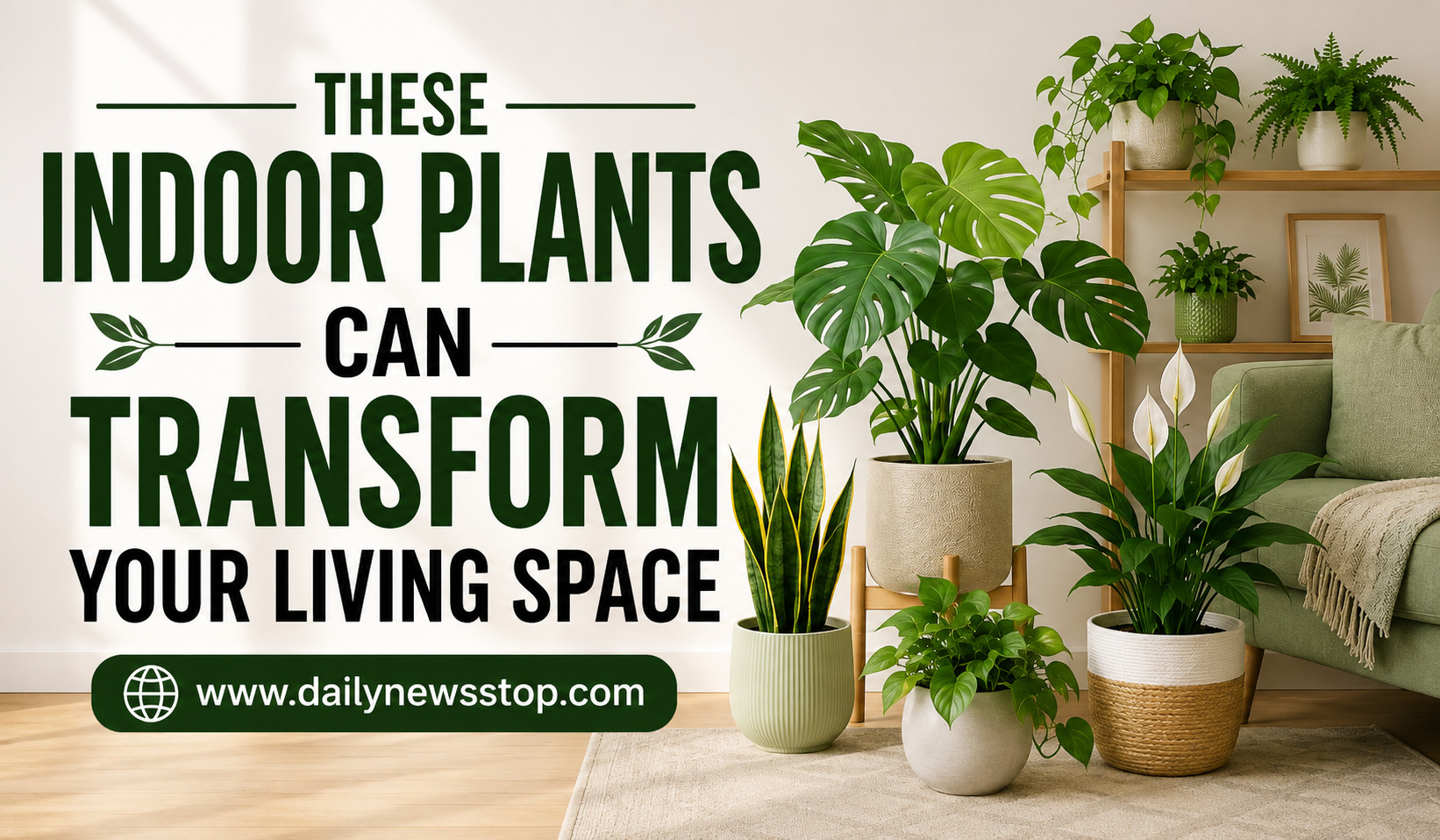
Indoor plants for home are becoming increasingly popular among people who want to make their living spaces feel fresher, calmer, and more inviting. From a small plant on a work desk to a large leafy plant in the living room, greenery can instantly change the look and feel of an ordinary space.
Houseplants are much more than decorative additions. They can bring natural color into a room, create a relaxing atmosphere, and help people feel more connected to nature. Some indoor plants are also commonly associated with improving indoor air quality, although their actual effect in a typical home is limited compared with proper ventilation and regular cleaning.
Scientific studies have found that certain plants can absorb some airborne compounds under controlled laboratory conditions. However, homes are much larger and more complex environments, meaning plants alone cannot replace fresh air, ventilation, air filtration, or regular cleaning.
Still, that doesn’t make houseplants unimportant. The right indoor plants for home can add beauty, character, and a sense of freshness while being relatively easy to maintain.
If you want to create a greener and more comfortable living space, these popular houseplants are worth considering.
1. Snake Plant: A Low-Maintenance Indoor Favorite
The snake plant is one of the best indoor plants for beginners because it is attractive, adaptable, and requires very little attention.
Its tall, upright leaves give it a modern appearance that works well in bedrooms, living rooms, offices, and apartments. It can tolerate lower-light conditions better than many other houseplants and doesn’t need frequent watering.
This makes the snake plant particularly useful for people who want greenery but don’t have much time for plant care.
Snake plants have also become well known for their association with indoor air quality, partly because of early laboratory research. However, their ability to noticeably clean the air in an ordinary home should not be overstated.
For most homeowners, the biggest advantages are their durability, attractive appearance, and simple care routine.
Care tip: Allow the soil to dry between waterings and avoid keeping the roots constantly wet.
2. Peace Lily: Elegant and Attractive
The peace lily is a popular choice for anyone looking for an indoor plant that combines greenery with flowers.
Its glossy leaves and distinctive white blooms can brighten up a living room, bedroom, or workspace. The plant generally prefers bright, indirect light and evenly moist soil.
The peace lily has also been studied for its ability to absorb certain airborne compounds under laboratory conditions. However, in a normal home, ventilation and other methods of maintaining indoor air quality remain much more important.
What makes the peace lily appealing is its appearance. Its lush foliage can make a room feel softer, calmer, and more welcoming.
One important consideration is safety. Peace lilies can be harmful if eaten, so households with cats, dogs, or young children should keep them somewhere they cannot be easily reached.
Care tip: Keep the soil lightly moist and place the plant away from harsh, direct sunlight.
3. Spider Plant: One of the Best Plants for Beginners
If you are new to indoor gardening, the spider plant is an excellent place to start.
Spider plants are known for their long, arching leaves and small plantlets that grow from mature stems. These hanging offshoots give the plant a distinctive appearance and make it particularly attractive in hanging baskets or on shelves.
They generally prefer bright, indirect light but can adapt to a range of indoor conditions. They are also fairly forgiving when watering is occasionally forgotten.
The spider plant has traditionally been included among indoor plants for air quality, based partly on laboratory research. However, its practical value for most homes comes from how easy it is to grow and maintain.
For busy homeowners, students, and first-time plant owners, it offers a simple way to introduce more greenery indoors.
Care tip: Water when the upper layer of soil begins to dry and provide bright, indirect light for healthy growth.
4. Areca Palm: Bring a Tropical Look Indoors
Want to make a room feel more spacious and tropical? The areca palm could be a great choice.
With its long, feathery fronds, the areca palm can become an attractive focal point in a living room, office, entrance area, or large bedroom.
Unlike small tabletop plants, this variety can add height and visual interest to an otherwise empty corner. Its green foliage can also soften the appearance of modern interiors dominated by furniture and hard surfaces.
Like other plants, the areca palm releases moisture through transpiration. While the effect on household humidity is generally modest, the plant can still contribute to a more natural and pleasant atmosphere.
Areca palms prefer bright, indirect light and consistent watering. They may require more space and attention than smaller plants, but their larger size can have a greater decorative impact.
Care tip: Keep the soil moderately moist and place the plant where it receives plenty of filtered light.
5. Aloe Vera: Attractive and Practical
Aloe vera is another excellent option for people searching for low-maintenance indoor plants.
The plant has thick, fleshy leaves that store water, allowing it to tolerate periods of dry soil. It prefers bright light and generally needs less frequent watering than many tropical houseplants.
Aloe vera is also known for the gel inside its leaves, which has traditionally been used for minor skin-related purposes. However, home remedies should be used carefully, and aloe should not be considered a substitute for professional medical treatment.
As a decorative plant, aloe vera works particularly well on sunny windowsills, desks, kitchen shelves, and small tables.
It is compact, attractive, and relatively easy to care for, making it a practical choice for busy households.
Care tip: Give aloe vera plenty of bright light and allow the soil to dry between waterings.
6. Pothos: A Versatile Plant for Almost Any Room
Pothos is often recommended as one of the easiest indoor plants for home.
Its long, trailing vines make it particularly attractive when placed on shelves, plant stands, cabinets, or hanging baskets. The foliage can grow downward and create a natural decorative effect.
One of its biggest advantages is adaptability. Pothos can tolerate different indoor lighting conditions and usually continues growing even when care is not perfect.
This makes it a popular option for bedrooms, living rooms, offices, and other indoor spaces.
Beyond its easy-care nature, pothos can add a lively splash of greenery to rooms that otherwise contain mostly furniture, walls, and electronic devices.
Care tip: Water when the top portion of the soil feels dry and provide bright, indirect light for stronger growth.
Do Indoor Plants Really Improve Air Quality?
One of the biggest reasons people search for indoor plants for air quality is the belief that houseplants can remove pollutants from indoor air.
There is some scientific basis for this idea. Certain laboratory experiments have demonstrated that plants can absorb particular airborne chemicals under controlled conditions.
However, this does not necessarily mean that placing several plants around your home will significantly purify the air.
Real homes are different from laboratory environments. Rooms are larger, air moves continuously, and indoor pollutants can come from cooking, cleaning products, smoke, furniture, building materials, and other sources.
For better indoor air quality, practical measures such as ventilation, kitchen and bathroom exhaust fans, regular dusting and vacuuming, reducing indoor smoke, and maintaining air-conditioning or filtration systems are generally more important.
Therefore, think of plants as a complement to a healthy indoor environment rather than an air purifier replacement.
How Indoor Plants Can Transform Your Home?
The benefits of houseplants aren’t limited to air quality.
Adding greenery can change the visual character of a room almost immediately. A small plant can make a desk feel less sterile, while a large palm can fill an empty corner and create a stronger focal point.
Plants can also add natural colors and textures to interiors. Green leaves can contrast with neutral walls, wooden furniture, and modern décor.
For people who spend a lot of time indoors, caring for plants can also become a simple daily or weekly routine. Watering, pruning, and watching new leaves develop can create a greater connection with nature.
This is one reason indoor plants have become such a popular part of modern home décor.
How to Choose the Best Indoor Plant for Your Home?
The best indoor plant isn’t necessarily the one that is trending online. It is the plant that matches your home’s conditions and your lifestyle.
Before buying a houseplant, consider these factors:
Check Your Lighting
Different plants need different amounts of light. Observe how much natural sunlight enters each room before choosing a plant.
A darker corner may be suitable for a more shade-tolerant variety, while plants such as aloe vera generally need brighter conditions.
Consider Your Available Space
A large areca palm may look beautiful in a spacious living room but could overwhelm a small apartment.
For smaller homes, plants such as aloe vera, spider plants, and pothos can provide greenery without taking up too much floor space.
Think About Maintenance
If you frequently travel or have a busy schedule, choose low-maintenance indoor plants such as snake plants or pothos.
If you enjoy gardening and don’t mind a more regular care routine, you can explore varieties with higher watering or lighting requirements.
Keep Pets and Children in Mind
Before bringing any plant indoors, check whether it can be harmful if eaten.
This is particularly important for households with curious pets or young children who may touch or chew plant leaves.
Simple Ways to Keep Your Indoor Plants Healthy
Even easy-care plants need basic attention.
Avoid watering plants simply because the soil looks dry on the surface. Different varieties have different watering requirements, and overwatering can be just as damaging as underwatering.
Clean dusty leaves occasionally so the plant can remain healthy and look attractive. Remove dead or damaged leaves and check plants regularly for signs of pests.
Most importantly, pay attention to how your plant responds to its environment. Yellow leaves, slow growth, or wilting can indicate that the plant needs a change in light, water, or soil conditions.
A little regular attention can help your indoor garden stay healthy for a long time.
Create a Healthier and More Welcoming Living Space
Indoor plants should not be viewed as a single solution for creating a healthy home.
Good ventilation, regular cleaning, reduced indoor smoke, proper moisture control, and appropriate air filtration can have a much greater impact on indoor environmental quality.
Plants can complement these habits by bringing nature into your surroundings and making your home feel more comfortable.
Whether you place a snake plant beside your sofa, a pothos on a bookshelf, or an aloe vera plant near a sunny window, even a small amount of greenery can make a noticeable difference to the atmosphere of a room.
Final Thoughts
The popularity of indoor plants for home isn’t difficult to understand. They are an affordable and simple way to introduce natural beauty into everyday spaces.
Snake plants are ideal for people who want low-maintenance greenery. Peace lilies can add elegance, while spider plants are excellent for beginners. Areca palms can bring a tropical feel to larger rooms, aloe vera offers both decorative appeal and practical uses, and pothos can add trailing greenery almost anywhere.
Although houseplants should not be treated as a replacement for proper ventilation or air-cleaning systems, they can still play a valuable role in creating a more pleasant living environment.
Ultimately, choosing the right houseplant is about more than improving a room’s appearance. It is about creating a space that feels comfortable, personal, and connected to nature.
Sometimes, adding a little greenery is all it takes to make an ordinary room feel more alive.