
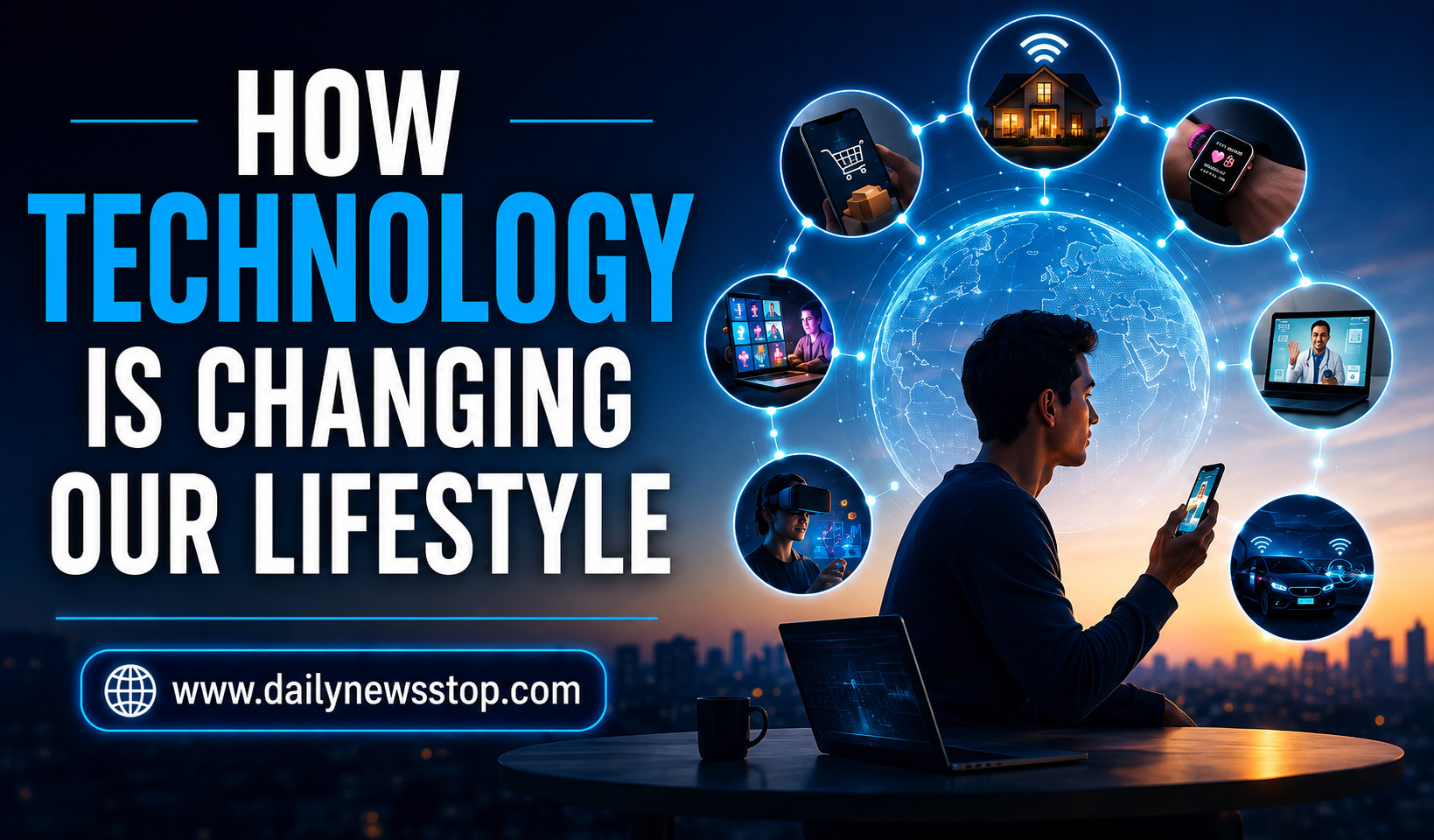
Technology has become an inseparable part of modern life. From the moment we wake up to the sound of a smartphone alarm until we switch off our devices at night, digital technology quietly influences almost every aspect of our daily routine. We use mobile apps to order groceries, smartwatches to monitor our health, digital payments to make purchases, and video calls to stay connected with people living thousands of kilometres away.
Just a few decades ago, many everyday tasks required far more time and effort. Paying bills meant standing in long queues, finding information involved visiting libraries, and communicating with distant family members often took days. Today, most of these activities can be completed in just a few minutes using a smartphone or laptop.
While technology has undoubtedly made life more convenient, it has also transformed the way we work, communicate, learn, shop, and even relax. Alongside these benefits come new challenges, including digital distractions, privacy concerns, and a growing dependence on connected devices.
Understanding how technology is changing our lifestyle isn’t about deciding whether it’s good or bad. It’s about recognizing how these changes affect our habits and learning to use technology in ways that improve our lives rather than control them.
Communication Has Become Faster Than Ever
One of the most noticeable changes technology has brought is the way people communicate.
Instant messaging, social media platforms, video conferencing, and email allow conversations to happen almost instantly, regardless of distance. Families separated by continents can celebrate birthdays through video calls, and businesses can collaborate with international teams without leaving the office.
This level of connectivity has made the world feel much smaller.
However, while digital communication makes staying in touch easier, many people are also becoming more aware of the importance of meaningful, face-to-face conversations. Technology has increased the number of interactions we have, but the quality of those interactions still depends on how we choose to communicate.
Work Has Become More Flexible
Technology has completely reshaped the modern workplace.
Cloud computing, collaboration software, and high-speed internet have made remote and hybrid work possible for millions of professionals. Many people no longer need to travel daily to an office to remain productive. Instead, they can work from home, co-working spaces, or even while travelling.
This flexibility has helped many achieve a better work-life balance, save commuting time, and explore career opportunities beyond their local area.
At the same time, the boundaries between work and personal life have become less clear. Constant access to emails and work-related notifications can make it difficult to truly disconnect, making healthy digital boundaries more important than ever.
Learning Is No Longer Limited to Classrooms
Technology has transformed education by making knowledge more accessible than ever before.
Students can attend online classes, professionals can learn new skills through digital courses, and anyone with an internet connection can access educational videos, articles, podcasts, and tutorials on almost any topic.
This shift has encouraged lifelong learning. Instead of relying solely on formal education, people can continuously improve their skills throughout their careers.
Technology has changed learning from an occasional activity into something that can happen every day.
Shopping Has Become More Convenient
Buying everyday essentials has never been easier.
Online shopping platforms allow people to compare prices, read customer reviews, and receive products at their doorstep within days or sometimes even hours. Digital payment systems have also simplified transactions, reducing the need to carry cash.
These conveniences save time and expand consumer choices.
However, easy access to online shopping has also increased impulse buying. Attractive advertisements, personalised recommendations, and one-click purchases make it easier to spend money without careful planning.
Technology has made shopping faster, but financial discipline remains a personal responsibility.
Health and Fitness Are Becoming More Personalized
Modern technology has changed the way people monitor their health.
Fitness trackers, smartwatches, health apps, and online medical consultations allow individuals to monitor daily activity, heart rate, sleep quality, and exercise routines with remarkable convenience.
People can access guided workouts, meditation sessions, nutrition advice, and health information from almost anywhere.
Although these tools encourage healthier habits, they work best when combined with professional medical advice and consistent lifestyle choices rather than replacing them.
Technology can support healthy living, but lasting health still depends on daily habits.
Entertainment Is Available Anytime
Streaming services, online gaming, podcasts, music platforms, and digital books have transformed the way people relax.
Instead of waiting for scheduled television broadcasts or visiting physical stores, entertainment is available on demand whenever people choose.
This convenience allows greater flexibility and access to diverse content from around the world.
The challenge, however, lies in maintaining balance. Endless entertainment options can easily consume hours that might otherwise be spent exercising, reading, or spending time with loved ones.
Using technology intentionally helps ensure entertainment remains enjoyable rather than overwhelming.
Smart Homes Are Changing Everyday Living
Technology has also entered our homes.
Smart lighting, voice assistants, automated security systems, and connected appliances make everyday tasks simpler and often more energy-efficient. Many homeowners can control lighting, adjust room temperatures, or monitor security cameras directly from their smartphones.
These innovations offer greater convenience and improved energy management.
As smart home technology continues to evolve, homes are becoming increasingly responsive to the needs of the people living in them.
Social Media Has Changed Human Interaction
Social media has created new opportunities to connect, share ideas, build businesses, and discover communities with similar interests.
It has also given individuals a platform to express themselves and stay informed about events happening across the world.
Yet, social media also presents challenges. Constant comparison, information overload, and excessive screen time can affect emotional well-being if not managed carefully.
Many people are now choosing digital detoxes, setting screen-time limits, or becoming more selective about the content they consume.
Technology works best when it enhances real life rather than replacing it.
Artificial Intelligence Is Becoming Part of Everyday Life
Artificial intelligence is no longer limited to science fiction or large technology companies.
Today, AI helps people write emails, translate languages, recommend movies, answer customer questions, navigate traffic, improve online shopping experiences, and automate repetitive tasks.
As AI becomes more integrated into everyday life, it has the potential to increase productivity and create new opportunities across many industries.
At the same time, it raises important conversations about privacy, ethics, employment, and responsible use.
The future of AI will depend not only on technological innovation but also on how society chooses to use it.
Finding a Healthy Balance
Technology itself is neither good nor bad. Its impact depends largely on how we use it.
Digital tools can improve productivity, strengthen communication, support education, and simplify everyday life. However, they can also create distractions when used without awareness.
Creating healthy habits such as limiting unnecessary screen time, spending time outdoors, protecting personal privacy, and maintaining face-to-face relationships—helps ensure technology remains a helpful tool rather than becoming a constant source of stress.
Balance has become one of the most valuable digital skills of modern life.
Final Thoughts
Technology has transformed the way we live in ways that previous generations could hardly imagine. It has made communication faster, education more accessible, healthcare more personalized, work more flexible, and everyday tasks significantly more convenient. At the same time, it has introduced new responsibilities, from managing screen time to protecting personal information and maintaining meaningful human connections.
Rather than resisting technological change, the key is learning to use it wisely. When used thoughtfully, technology can help us save time, improve productivity, strengthen relationships, and create opportunities that were once impossible. When used without balance, it can easily become a source of distraction and unnecessary stress.
Ultimately, technology is a tool not a lifestyle in itself. The choices we make about how we use it will determine whether it enhances our well-being or takes our attention away from the people, experiences, and moments that matter most.
As innovation continues to shape the future, the goal should not be to keep up with every new device or trend. Instead, it should be to embrace technology in ways that make our lives simpler, healthier, and more meaningful.