
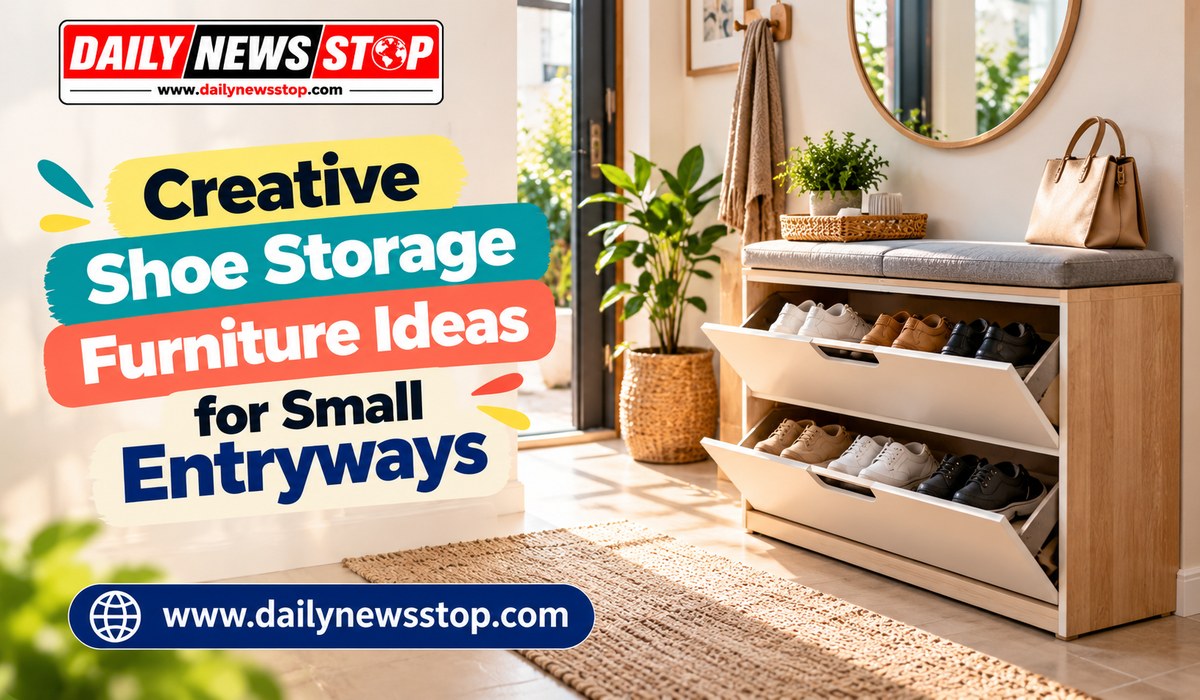
A small entryway can quickly become cluttered when shoes, sandals, slippers, and everyday accessories have no dedicated place. Even a few pairs left near the door can make the area look messy and reduce the space available for walking. Fortunately, the right furniture can help you keep footwear organised while making your entrance look welcoming and stylish.
Choosing creative shoe storage furniture ideas for small entryways is not just about finding a cabinet that holds several pairs of shoes. It also involves making smart use of limited floor space, choosing furniture that suits your home’s interior, and ensuring that everyday footwear remains easy to reach.
For example, a slim shoe cabinet can fit against a narrow wall, while a storage bench can provide both seating and a place to keep shoes. Likewise, vertical shelves, concealed compartments, and multi-purpose furniture can help you organise footwear without overcrowding the entrance.
Whether you live in a compact apartment or a home with a narrow hallway, these practical ideas can help you create a neat and functional entryway.
1. Choose a Slim Shoe Storage Cabinet
A slim shoe cabinet is one of the most practical choices for a small entryway. Unlike deep cupboards, many slim designs use a narrow footprint, allowing you to store footwear without taking up too much walking space.
Why Slim Cabinets Work Well
These cabinets often feature angled or pull-down compartments that hold shoes vertically or at an incline. As a result, they can fit against narrow walls where traditional shelving might feel bulky.
Depending on the design, you can use a slim cabinet to store:
- Everyday shoes and sandals.
- Work footwear.
- Children’s shoes.
- Slippers for guests.
- Shoe-care products in a separate compartment.
Before buying one, check the cabinet’s internal dimensions. Some slim models may not accommodate larger shoes, high-top sneakers, or boots comfortably.
How to Style a Slim Cabinet
Choose a finish that complements your existing furniture. White or light wood can create a clean appearance, while darker finishes may suit modern interiors.
You can also place a small decorative tray, a lightweight plant, or a key holder on top if the design allows it. However, keep the surface relatively clear so that the cabinet remains useful for everyday items.
2. Use a Shoe Storage Bench With Seating
A shoe storage bench combines two useful functions: footwear organisation and a place to sit while putting on or removing shoes.
This design works especially well for households where people frequently change footwear near the entrance.
Select the Right Bench Style
Several designs can suit a small entryway:
- Open-shelf bench: Keeps frequently used shoes visible and accessible.
- Closed-storage bench: Hides footwear behind doors or drawers.
- Lift-top bench: Provides concealed storage beneath the seat.
- Bench with baskets: Allows you to organise shoes by person or category.
If you prefer a tidy appearance, a closed-storage model may be the better option. On the other hand, open shelves can make it easier to find everyday footwear quickly.
Make the Bench More Comfortable
Choose a bench with a stable frame and a comfortable seat height. A removable cushion can improve comfort while adding colour to the entrance.
Nevertheless, measure the available space before selecting a wide bench. Leave enough room to open the front door, move around comfortably, and walk through the hallway without obstruction.
3. Install Vertical Shoe Shelving
When floor space is limited, look upward. Vertical shelving makes use of wall height and can provide storage without requiring a large cabinet.
Create a Tall Shoe Storage Unit
A narrow shelving unit can accommodate several pairs of shoes within a small footprint. Adjustable shelves are particularly useful because different footwear styles require different amounts of space.
For instance, you could arrange everyday sneakers on lower shelves, formal shoes in the middle, and less frequently used footwear higher up.
This arrangement also makes it easier to keep frequently worn pairs within reach.
Use Wall-Mounted Shelves
Wall-mounted shelves can be useful when the entryway has very little floor space. They are particularly suitable for lightweight footwear such as slippers and sandals.
However, installation matters. Use appropriate fixings for the wall type, respect the manufacturer’s weight limits, and avoid placing shelves where they could create a head-height hazard or interfere with the door.
For a more organised appearance, keep similar footwear together and avoid filling every shelf with miscellaneous items.
4. Add a Multi-Purpose Console Table
A console table can make an entryway feel more complete while providing a place for keys, bags, and small decorative items. If you choose a model with lower shelves or drawers, it can also provide space for footwear.
Look for a Practical Design
A narrow console table with an open lower shelf can hold a few frequently used pairs of shoes. Meanwhile, drawers can keep smaller belongings such as keys, shoe brushes, and spare laces organised.
This arrangement works well when you want furniture that serves several purposes without making the entrance look like a dedicated storage area.
Keep the Styling Simple
A small mirror above the console can make the entryway feel brighter and more open. You might also add a shallow tray for keys or a compact decorative piece.
However, avoid placing too many objects on the table. The goal is to maintain a balance between decoration and everyday function.
If you need to store a large footwear collection, combine the console with a separate shoe cabinet rather than trying to fit everything beneath one small table.
5. Choose Shoe Cabinets With Hidden Compartments
Not everyone wants footwear on display. If you prefer a clean, uncluttered entrance, a closed shoe cabinet can conceal shoes while keeping them organised.
Why Hidden Storage Is Useful
Closed cabinets help create a consistent visual appearance, especially when several people in the household own different types of footwear.
Some designs include pull-down compartments, sliding doors, or adjustable internal shelves. Others combine shoe storage with drawers for small accessories.
Consider these features when comparing options:
- Ventilation openings or another suitable airflow design.
- Compartments that fit your largest everyday shoes.
- Doors that open without blocking the walkway.
- Easy-to-clean internal surfaces.
- A stable structure that suits the household’s needs.
Because enclosed storage can trap moisture and odours, allow damp footwear to dry before placing it inside. Regular cleaning also helps keep the cabinet fresh.
6. Use Storage Baskets Inside Open Furniture
Storage baskets offer a flexible way to organise footwear without purchasing a dedicated shoe cabinet. They can fit beneath a console table, inside a shelving unit, or on the lower level of a storage bench.
Organise Shoes by Category
Instead of placing every pair in one basket, assign separate containers to different types of footwear.
For example:
- One basket for slippers.
- One for children’s everyday shoes.
- One for sandals.
- One for footwear that guests commonly use.
This arrangement makes it easier to find what you need while keeping the entryway looking organised.
Select Baskets That Fit the Space
Woven baskets can add warmth and texture to a room, while fabric or plastic containers may offer a simpler, more modern appearance.
Choose baskets that slide in and out easily. Also, ensure they have enough space for the footwear you plan to store.
Keep damp or muddy shoes separate until they are dry and clean. Otherwise, moisture and dirt can collect inside the containers.
7. Try a Rotating Shoe Storage Unit
A rotating shoe organiser can be an interesting option when you need to store several pairs in a compact area.
These units usually arrange footwear around a central structure, allowing you to turn the organiser to access different pairs.
When a Rotating Organiser Makes Sense
A rotating design may suit a corner of a spacious entryway or a nearby storage area. It can be especially helpful when you want to use vertical space instead of spreading shoes across several shelves.
However, check the unit’s overall diameter and height before buying it. Some designs require more room to rotate than their appearance suggests.
Also, confirm that the compartments can hold your footwear securely. Heavy shoes, boots, or unusually shaped footwear may not fit every rotating organiser.
For very narrow entrances, a slim cabinet may remain the more practical choice.
8. Make Use of Corners With Compact Storage Furniture
Entryway corners are often overlooked. Nevertheless, the right corner unit can create useful storage without taking up the centre of the hallway.
Choose Corner-Friendly Furniture
A small corner shelf, triangular storage unit, or compact cabinet can fit into an otherwise unused area.
This arrangement is particularly useful when the front door opens toward a wall and leaves limited room for a standard rectangular cabinet.
Before buying, measure both walls that meet at the corner. Also, check the door’s opening path and ensure that the furniture does not interfere with movement.
Keep the Corner Easy to Access
Avoid choosing a storage unit that is so deep or crowded that shoes become difficult to retrieve.
You can reserve the most accessible shelves for everyday footwear and use the remaining space for less frequently worn pairs.
If the corner is dark, suitable lighting can also make the storage area easier to use.
9. Select Furniture With Drawers and Adjustable Shelves
A shoe storage unit with adjustable shelves or drawers gives you more flexibility than a fixed-layout cabinet.
Footwear varies in size, from flat sandals to bulky sneakers and ankle boots. Therefore, adjustable storage helps you adapt the furniture to your actual needs.
Organise Shoes According to Frequency of Use
Place everyday shoes at an easy-to-reach height. Store seasonal footwear or special-occasion shoes in less accessible compartments.
You can also use a small drawer for shoe-care items, spare laces, and other accessories. This prevents those belongings from spreading across the entrance.
However, make sure drawers open fully without hitting another piece of furniture or blocking the main walkway.
Avoid Buying More Storage Than You Need
A larger cabinet may seem useful, but oversized furniture can make a small entryway feel cramped.
Before purchasing, count the pairs you want to keep near the entrance. Then allow a little extra space for future needs.
Keep rarely worn shoes in a bedroom wardrobe or another storage area if the entryway cannot comfortably accommodate your entire collection.
10. Match Shoe Storage Furniture to Your Interior Style
Functional storage can also contribute to your home’s overall design. Choosing furniture that complements the entrance helps the area feel intentional rather than crowded.
For Modern Interiors
Look for clean lines, simple handles, and understated finishes. A slim cabinet in white, black, or a wood-effect finish can create a neat appearance.
Closed compartments are especially useful if you prefer a minimal look.
For Warm and Natural Interiors
Wooden finishes, woven baskets, and simple benches can complement natural materials and earthy colours.
You can pair these pieces with a small plant or a neutral cushion to create a welcoming entrance.
For Small, Bright Spaces
Light-coloured furniture can help maintain an airy appearance. A mirror above a compact shoe cabinet may also make the entryway feel more open.
Nevertheless, design should not come at the expense of durability. Choose finishes that are easy to clean, especially if the entrance regularly collects dust or muddy footprints.
11. Keep Shoe Storage Clean and Easy to Maintain
Even well-designed storage furniture can look messy if it is difficult to maintain. A simple cleaning routine helps keep both the furniture and the footwear in good condition.
Follow these practical habits:
- Remove mud and dirt from shoes before storing them.
- Let damp footwear dry properly.
- Wipe shelves and cabinet interiors regularly.
- Avoid overfilling compartments.
- Check hinges, handles, and fittings periodically.
- Use washable mats near the entrance to catch dirt.
- Donate or store shoes you no longer wear.
Additionally, return shoes to their assigned compartments after use. This small habit prevents footwear from gradually spreading across the floor.
Key Takeaways
- Measure your entryway before choosing any storage furniture.
- Slim cabinets, storage benches, and vertical shelves work well in compact spaces.
- Multi-purpose furniture can provide seating, display space, and footwear storage.
- Hidden compartments help create a tidy appearance, while open shelves make shoes easy to access.
- Use baskets to organise slippers, sandals, and children’s footwear.
- Check ventilation, shelf dimensions, stability, and door clearance before buying.
- Keep everyday shoes accessible and move rarely used pairs to another storage area.
- Regular cleaning and simple organisation habits help maintain a clutter-free entrance.
Frequently Asked Questions
1. What is the best shoe storage furniture for a small entryway?
A slim shoe cabinet is a practical choice because it uses limited floor space. However, a storage bench may be better if you also need somewhere to sit while putting on shoes. The right option depends on your available space, footwear collection, and daily routine.
2. How can I store shoes without making my entryway look cluttered?
Choose furniture with closed compartments or matching storage baskets. Keep only frequently used footwear near the entrance, and move seasonal or rarely worn shoes elsewhere. In addition, return shoes to their assigned places after use to prevent clutter from building up.
3. Are shoe storage benches useful for small homes?
Yes, shoe storage benches can be especially useful because they combine seating and storage in one piece of furniture. Look for a compact design with enough internal space for your footwear. Make sure the bench does not block the door or reduce the available walking area.
4. How do I prevent bad smells inside a shoe cabinet?
Allow damp shoes to dry before storing them, clean the cabinet regularly, and avoid overcrowding the compartments. Choose a design with suitable ventilation when possible. You can also use appropriate shoe deodorisers, following their product instructions.
5. Should shoe storage furniture have open or closed shelves?
Open shelves provide quick access and allow footwear to remain visible. Closed cabinets hide shoes and create a tidier appearance. If you prefer a balance, choose a cabinet with closed compartments for everyday organisation and one open shelf for frequently used footwear.