
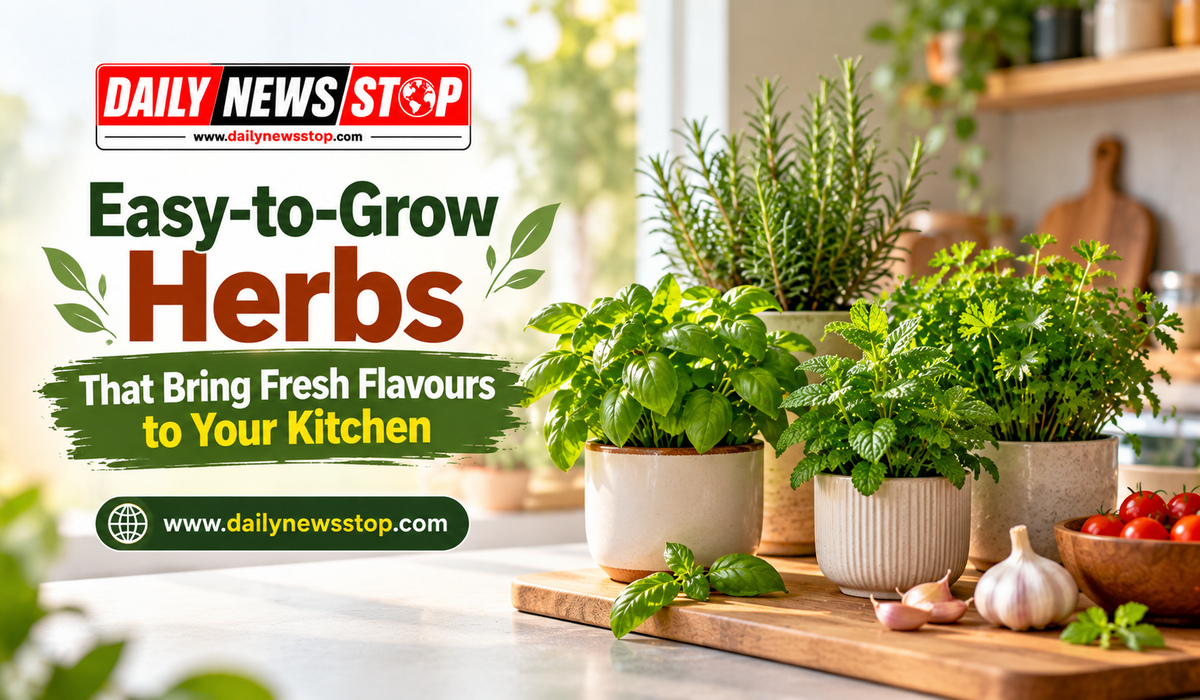
Fresh herbs can transform everyday meals with bright aromas, rich flavours, and natural colour. Fortunately, you do not need a large garden or years of gardening experience to grow them. With a few pots, suitable sunlight, and regular care, you can create a small kitchen herb garden that keeps fresh ingredients within easy reach.
Growing herbs at home also helps you use only what you need, reducing the amount of fresh produce that goes to waste. Whether you enjoy Indian curries, homemade salads, pasta, soups, or refreshing drinks, there are plenty of easy-to-grow herbs that can make your cooking more enjoyable.
In this guide, you will discover the best herbs for beginners, how to grow them in small spaces, and practical ways to use their fresh flavours in your kitchen.
Why Grow Fresh Herbs at Home?
A kitchen herb garden offers several practical benefits. First, you can pick fresh leaves whenever a recipe needs an extra burst of flavour. You also have greater control over how your plants are grown and maintained.
Here are a few reasons to get started:
- Fresh flavours: Newly picked herbs can add a stronger aroma and more vibrant taste to everyday dishes.
- Less food waste: Harvest small quantities instead of buying a large bunch that may spoil before you use it.
- Space-saving gardening: Many herbs grow well in containers on balconies, windowsills, and sunny patios.
- Affordable ingredients: Once established, some plants can provide repeated harvests with basic care.
- Attractive greenery: Herb pots can make your kitchen or balcony feel fresher and more inviting.
Moreover, caring for plants can become a relaxing daily activity. Even a small collection of herbs can make home cooking feel more creative.
1. Coriander: A Favourite for Everyday Indian Cooking
Coriander, also called cilantro when referring to its fresh leaves, is one of the most useful herbs for an Indian kitchen. Its bright, citrus-like flavour works well in curries, dals, chutneys, salads, and vegetable dishes.
How to Grow Coriander
Coriander is usually grown from seeds. Choose a container with drainage holes and fill it with loose, well-draining potting mix. Sow the seeds shallowly, following the spacing instructions on the seed packet, and keep the soil lightly moist.
The plant prefers good sunlight, although some afternoon shade can help during hot weather. Coriander can flower and produce seeds quickly when temperatures rise, so growing it during a suitable cooler period often gives better results.
For a steady supply, sow a small batch every two or three weeks when the weather is suitable.
How to Use Fresh Coriander
- Sprinkle chopped leaves over dal, curries, and soups.
- Blend the leaves with green chillies, lemon juice, and other ingredients to prepare chutney.
- Add fresh coriander to salads, sandwiches, and homemade wraps.
- Mix it into marinades for vegetables or paneer.
For the best flavour, add the leaves near the end of cooking or just before serving.
2. Mint: A Refreshing Herb for Drinks and Chutneys
Mint is an excellent choice for beginners because it grows vigorously when given suitable moisture and light. Its cool, refreshing flavour makes it useful in Indian, Middle Eastern, and Mediterranean recipes.
How to Grow Mint
Mint grows well in containers and can spread quickly if planted directly in a garden bed. Therefore, keeping it in its own pot is usually the easiest option.
Place the pot in a bright location with partial sunlight or gentle morning sun. Use fertile soil and water when the upper layer begins to dry. Avoid leaving the roots in constantly waterlogged soil.
You can start mint from a healthy cutting or a young nursery plant. With regular trimming, the plant can produce plenty of new leaves.
How to Use Fresh Mint
- Prepare mint chutney for snacks and meals.
- Add leaves to lemonade, iced tea, or refreshing summer drinks.
- Mix chopped mint into yoghurt-based dips and raita.
- Use it in salads, fruit bowls, and homemade sauces.
In addition, a few fresh leaves can brighten ordinary drinking water. Wash the leaves thoroughly before using them.
3. Basil: A Perfect Choice for Pasta and Salads
Basil is known for its sweet, peppery aroma and is widely used in Italian and other international cuisines. It pairs especially well with tomatoes, cheese, pasta, and olive oil.
How to Grow Basil
Basil prefers warmth, bright sunlight, and well-draining soil. Choose a pot with drainage holes and place it in a location that receives several hours of sunlight, while protecting the plant from excessive heat during very hot afternoons.
Water when the upper layer of soil starts to dry. However, avoid overwatering because soggy soil can damage the roots.
Pinch off the growing tips periodically to encourage a bushier plant. If you want a continuous supply, start new plants as older ones mature.
How to Use Fresh Basil
- Prepare homemade pesto with basil, nuts, olive oil, and cheese.
- Add fresh leaves to tomato salads and sandwiches.
- Use basil to finish pasta dishes and homemade pizza.
- Tear a few leaves over roasted vegetables.
For a more pronounced aroma, add basil towards the end of cooking rather than exposing it to prolonged heat.
4. Curry Leaves: An Essential Herb for Indian Meals
Curry leaves bring a distinctive aroma to many Indian dishes. They are commonly used in tempering, where leaves are briefly cooked in hot oil with mustard seeds, chillies, and other spices.
How to Grow Curry Leaves
Curry leaf plants grow into small trees, so they need more room than many leafy herbs. Start with a healthy young plant and transfer it to a reasonably large container with drainage holes.
Choose a warm, sunny location and use a well-draining potting mix. Water regularly while the plant establishes itself, but allow excess water to drain away. Growth may slow during cooler periods or when light levels are low.
Because curry leaf plants take time to establish, do not remove too many leaves from a young plant. Instead, allow it to develop a strong structure before harvesting regularly.
How to Use Curry Leaves
- Add the leaves to tadka for dal and sambar.
- Use them in vegetable stir-fries and coconut-based curries.
- Include them in chutneys and spice mixtures.
- Fry a few leaves briefly in oil to release their aroma.
Fresh curry leaves can provide a more noticeable fragrance than older, dried leaves.
5. Spring Onions: A Useful Green Addition to Many Dishes
Spring onions are practical for beginners because their green tops are easy to use in everyday cooking. They add a mild onion flavour to noodles, fried rice, omelettes, salads, and soups.
How to Grow Spring Onions
You can grow spring onions from seeds or suitable planting bulbs. Choose a container deep enough for root growth and fill it with loose, fertile soil.
Place the pot in a sunny location and keep the soil evenly moist without making it soggy. Once the plants develop enough growth, cut some green tops while leaving sufficient foliage for continued development.
Some spring onion bases can also regrow green shoots when planted in soil. However, results vary depending on the condition of the base and the growing environment.
How to Use Spring Onions
- Sprinkle chopped greens over noodles and fried rice.
- Add them to omelettes, scrambled eggs, and savoury pancakes.
- Mix them into salads and sandwich fillings.
- Use them as a finishing garnish for soups and stir-fries.
Since spring onions grow vertically, they can be a good choice when you have limited space.
6. Fenugreek: Quick-Growing Greens for Home Cooking
Fenugreek, commonly known as methi, is a popular ingredient in Indian cooking. Its fresh leaves have a distinctive, slightly bitter flavour that works well in parathas, dals, curries, and vegetable dishes.
How to Grow Fenugreek
Fenugreek is often grown from seeds and can be a rewarding option for beginners who want to harvest leafy greens relatively quickly.
Spread the seeds over a container filled with well-draining potting mix, cover them lightly with soil, and water gently. Keep the soil moist during germination, but avoid excessive watering.
Place the container in a bright spot with suitable sunlight. You can harvest young leaves once the plants have developed enough foliage, leaving some growth behind if you want the plants to continue growing.
For a regular supply, sow fresh batches at intervals instead of planting everything at once.
How to Use Fresh Fenugreek
- Prepare methi parathas and flatbreads.
- Add chopped leaves to potato dishes and vegetable curries.
- Mix methi into dal or lentil-based recipes.
- Use the leaves in savoury pancakes and stuffed breads.
Fresh methi is particularly useful if you regularly prepare home-cooked Indian meals.
7. Parsley: A Fresh Herb for Salads and Sauces
Parsley has a clean, grassy flavour that complements vegetables, soups, salads, and sauces. Although it is less common in some traditional Indian recipes, it is a versatile choice if you enjoy experimenting with different cuisines.
How to Grow Parsley
Parsley grows well in containers with fertile, well-draining soil. It prefers a bright location and benefits from consistent moisture. Depending on the variety and conditions, it can take longer to germinate than some other herbs.
Once the plant develops several healthy leaves, harvest the outer stems first. This allows the centre to continue producing new growth.
How to Use Fresh Parsley
- Add chopped leaves to salads and grain bowls.
- Sprinkle them over roasted potatoes and vegetables.
- Mix parsley into salad dressings and herb sauces.
- Use it to finish soups, pasta, and savoury dishes.
Its mild flavour makes parsley an easy addition when you want freshness without overpowering other ingredients.
8. Lemongrass: A Fragrant Herb for Tea and Curries
Lemongrass is valued for its fresh, lemon-like aroma. It is commonly used in teas, soups, curries, and marinades, particularly in Southeast Asian cooking.
How to Grow Lemongrass
Lemongrass prefers warmth, sunlight, and well-draining soil. It can grow into a fairly large clump, so choose a spacious container rather than a tiny windowsill pot.
Water regularly during active growth, allowing excess water to drain. In hot weather, check the soil more frequently because containers can dry out quickly.
A healthy plant can provide usable stalks as it matures. Harvest outer stalks carefully while allowing the central growth to continue developing.
How to Use Lemongrass
- Steep bruised stalks in hot water to make fragrant tea.
- Add it to soups and selected curry recipes.
- Use it in marinades for vegetables, tofu, or other proteins.
- Combine it with ginger and citrus for aromatic drinks.
Remember that the lower stalk is generally used for cooking, and tough outer layers may need to be removed.
Essential Tips for Growing Herbs Successfully
Choosing the right plants is only the beginning. To keep your kitchen herb garden productive, follow a few simple care practices.
Choose Containers With Good Drainage
Every container should have drainage holes so excess water can escape. Without proper drainage, roots may remain wet for too long and become damaged.
Use containers suited to each plant’s size. Mint and coriander can grow in modest pots, while curry leaves and lemongrass benefit from larger containers.
Match Sunlight to Each Herb
Most culinary herbs grow best in a bright location, but their exact requirements vary. Basil and lemongrass generally prefer plenty of sunlight, while mint often tolerates partial shade.
If you grow herbs indoors, choose the brightest suitable windowsill or consider a grow light when natural light is insufficient.
Water According to Soil Conditions
Do not water every plant on an inflexible schedule. Instead, check the soil before watering.
Soft leafy herbs may need more frequent watering than woody herbs such as rosemary and thyme. Nevertheless, all container plants need suitable drainage to prevent waterlogging.
Use a Suitable Potting Mix
A light, well-draining potting mix helps roots receive both moisture and air. Adding mature compost can improve the mix, but avoid using heavy garden soil alone in containers because it may compact easily.
Harvest Gently and Regularly
Frequent, careful harvesting can encourage fresh growth in many leafy herbs. Use clean scissors and avoid removing too much foliage at once.
As a general rule, avoid taking more than about one-third of a plant’s healthy foliage in a single harvest. The exact amount depends on the herb and its growth stage.
Watch for Pests
Inspect the leaves regularly for aphids, spider mites, discolouration, or unusual growth. Give crowded plants more space and remove damaged leaves when necessary.
Before using harvested herbs, rinse them thoroughly under clean running water.
How to Start a Small Kitchen Herb Garden
You do not need to grow every herb at once. Begin with two or three plants that you use frequently in your cooking.
For example, a beginner-friendly combination could include:
- Coriander: For dals, curries, and chutneys.
- Mint: For drinks, dips, and refreshing sauces.
- Basil: For pasta, salads, and sandwiches.
If you cook mostly Indian meals, fenugreek and curry leaves may be more useful additions. Meanwhile, spring onions offer an easy way to add fresh greens to quick meals.
Place the pots where you can check them easily. This makes watering, harvesting, and inspecting leaves part of your normal routine.
Key Takeaways
- Fresh herbs can improve the flavour and appearance of everyday meals.
- Coriander, mint, basil, fenugreek, and spring onions are useful choices for beginners.
- Curry leaves and lemongrass are excellent options when you have more container space.
- Choose pots with drainage holes and use a suitable potting mix.
- Match sunlight and watering to each herb rather than treating every plant the same way.
- Harvest carefully and regularly to encourage continued growth.
- Start with herbs you already use so your garden remains practical and enjoyable.
A sunny balcony can be an ideal place to grow herbs such as mint, basil, and coriander in pots or planters. To make this space more attractive and comfortable, explore these best outdoor rugs for balcony makeovers for ideas that complement your home gardening setup.
Frequently Asked Questions
1. What are the easiest herbs to grow at home?
Mint, coriander, basil, fenugreek, and spring onions are practical choices for beginners, provided they receive suitable light, water, and drainage.
2. Can I grow kitchen herbs without a garden?
Yes, many herbs can grow in containers on a sunny windowsill, balcony, patio, or other bright space.
3. How much sunlight do kitchen herbs need?
Many culinary herbs prefer several hours of sunlight daily, although the ideal amount varies by plant, climate, and growing conditions.
4. How often should I water my herb plants?
Check the soil regularly and water when needed, keeping moisture suitable for each herb while avoiding waterlogged roots.
5. How can I keep fresh herbs available throughout the year?
Grow suitable varieties for your local climate, harvest gently, and sow quick-growing herbs such as coriander and fenugreek in successive batches when conditions are favourable.