
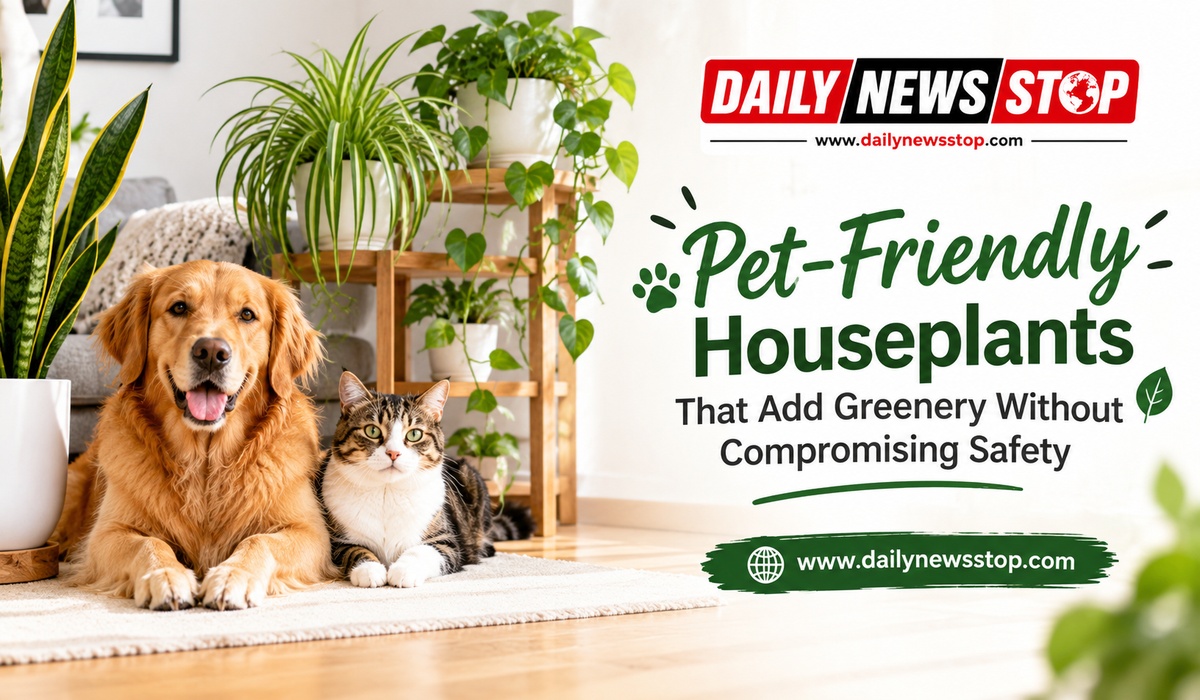
Houseplants can make your home feel brighter, fresher, and more welcoming. From leafy corners to small plants on shelves, greenery adds natural beauty to almost any interior. However, if you share your home with cats or dogs, choosing the right plants requires extra care. Some popular houseplants contain substances that can harm pets if they chew or swallow the leaves, stems, or flowers.
Fortunately, you do not have to give up indoor gardening to protect your furry companions. Many pet-friendly houseplants offer attractive foliage, interesting shapes, and easy maintenance without introducing the same toxicity concerns as common poisonous plants.
In this guide, you will discover pet-friendly houseplants that can brighten your living space, learn how to care for them, and find practical ways to arrange greenery safely around your home. Whether you are a beginner or an experienced plant lover, these options can help you create a greener and more pet-conscious interior.
Why Choose Pet-Friendly Houseplants?
Pets often explore their surroundings by sniffing, pawing, and chewing. Curious cats may nibble on leaves, while dogs might investigate plants placed within reach. Therefore, choosing suitable houseplants is an important step towards creating a safer indoor environment.
Pet-friendly plants offer several advantages:
- Peace of mind: Plants recognised as non-toxic to cats and dogs reduce concerns about accidental chewing.
- Natural decoration: Green foliage adds colour and texture to living rooms, bedrooms, and workspaces.
- Beginner-friendly choices: Many suitable plants are relatively easy to maintain.
- Versatile styling: You can find compact plants for shelves and larger varieties for empty corners.
- Flexible arrangements: Different leaf shapes and growth patterns allow you to create attractive indoor displays.
However, non-toxic does not mean completely harmless. Eating large quantities of any plant material may cause stomach upset, and potting soil, fertilisers, pesticides, and decorative materials can introduce additional risks. Consequently, it is best to choose suitable plants and discourage pets from chewing them.
1. Spider Plant: An Easy Choice for Beginners
The spider plant is a popular indoor plant known for its long, narrow green leaves, often marked with white or cream stripes. Its arching foliage creates a relaxed appearance that suits modern, traditional, and minimalist interiors.
It is also considered non-toxic to cats and dogs, making it a useful choice for pet-owning households.
How to Care for a Spider Plant
Spider plants generally grow well in bright, indirect light, although they can tolerate some lower-light conditions. Water when the upper layer of soil begins to dry, and use a pot with drainage holes.
Avoid leaving the roots in standing water because excessive moisture can lead to root problems.
Decorating Ideas
- Place the plant on a sturdy shelf that pets cannot easily knock over.
- Use a hanging planter with secure support.
- Display it on a side table to soften a room’s appearance.
- Combine it with other non-toxic plants for a varied indoor garden.
Spider plants can produce small plantlets as they mature, allowing you to propagate new plants and expand your collection.
2. Areca Palm: Bring a Tropical Feel Indoors
The areca palm adds a tropical appearance through its long, feather-like fronds. It can make a living room or spacious bedroom feel more vibrant without requiring colourful flowers or elaborate decoration.
The areca palm is recognised as non-toxic to cats and dogs, so it is a suitable option for many pet-friendly homes.
Areca Palm Care Tips
Choose a location with bright, indirect light. The plant prefers evenly moist soil during active growth, but the roots should never sit in water.
Indoor palms may develop brown leaf tips when the air becomes dry or watering conditions are unsuitable. Therefore, check the soil and room conditions before making changes to your care routine.
Where to Place an Areca Palm
An areca palm can work well in:
- An empty living room corner.
- A bright area near a window.
- A spacious entrance.
- A room with light-coloured furniture and natural materials.
Because mature palms can become fairly large, check the expected size before buying one. Also, use a heavy, stable planter to reduce the risk of pets knocking it over.
3. Boston Fern: Add Soft, Lush Greenery
Boston ferns feature delicate, arching fronds that create a full and leafy appearance. Their textured foliage can soften the look of a room, especially when paired with wooden furniture, neutral walls, or natural fabrics.
Boston ferns are generally listed as non-toxic to cats and dogs.
How to Grow a Healthy Boston Fern
Boston ferns prefer bright, indirect light and consistently moist soil. They also tend to appreciate higher humidity than many common houseplants.
Check the soil frequently because the plant may struggle if it dries out completely. At the same time, make sure the pot drains properly to prevent waterlogging.
Styling Ideas for Boston Ferns
A Boston fern can look attractive in a hanging basket, on a plant stand, or beside a bright window. Its cascading fronds add visual movement and work particularly well in relaxed interiors.
However, hanging baskets must have secure fittings. Place them where pets cannot reach the foliage by jumping onto nearby furniture.
4. Parlor Palm: A Compact Plant for Small Spaces
If you live in an apartment or have limited room for large plants, the parlor palm is worth considering. It has slender stems and delicate green leaves that create a graceful appearance without occupying too much floor space.
Parlor palms are considered non-toxic to cats and dogs, making them a practical option for pet-friendly interiors.
Parlor Palm Care
Parlor palms grow well in moderate to bright indirect light and can tolerate lower light than some other tropical plants. Water when the upper portion of the soil begins to dry, and avoid excessive watering.
They usually grow slowly, which can make them easier to manage in compact rooms.
Best Places to Display a Parlor Palm
- Beside a sofa or armchair.
- Near a bright hallway.
- On a stable plant stand.
- In a bedroom with suitable indirect light.
Although the plant is non-toxic, keep it away from areas where pets frequently run or play. A knocked-over pot can still cause injury or create a mess.
5. Calathea: Beautiful Leaves With Striking Patterns
Calatheas are known for their decorative foliage. Depending on the variety, the leaves may feature stripes, contrasting edges, or colourful patterns that make the plant a natural focal point.
Many plants sold under the calathea name are considered non-toxic to cats and dogs. However, plant identification can be confusing because common names and classifications sometimes change. Check the exact species before purchasing.
How to Care for Calathea
Calatheas generally prefer bright, indirect light, warm temperatures, and consistently moist but well-drained soil. Direct sunlight can damage their leaves, while dry conditions may cause leaf edges to turn brown.
They may require more attention than some beginner-friendly plants, particularly in homes with dry indoor air.
How to Style Calathea
Use a patterned calathea as a decorative feature on a side table, plant stand, or shelf. Since the foliage already provides visual interest, a simple planter often works best.
For a balanced interior, pair the plant with plain cushions, neutral furniture, or natural wooden finishes.
6. Prayer Plant: Decorative Foliage for Shelves
The prayer plant is valued for its colourful, patterned leaves. Its foliage often features combinations of green, red, and darker markings, making it an attractive option for people who prefer plants with distinctive details.
Prayer plants are generally considered non-toxic to cats and dogs.
Prayer Plant Care Requirements
Provide bright, indirect light and keep the soil lightly moist without allowing it to become waterlogged. The plant prefers warm conditions and can benefit from moderate to high humidity.
Its leaves may fold or change position throughout the day and night, adding another interesting feature to your indoor garden.
Where to Display a Prayer Plant
A prayer plant works well on a desk, low shelf, or side table. Choose a location where the foliage receives suitable light but does not become an easy target for curious pets.
If your cat enjoys climbing shelves, place the plant in a more secure area rather than assuming its non-toxic status makes every location safe.
7. Peperomia: Compact Plants With Varied Leaf Shapes
Peperomia is a large group of plants with many varieties, including types with rounded, thick, textured, or patterned leaves. Their compact growth makes them useful for apartments, small desks, and decorative shelves.
Many commonly grown peperomia species are considered non-toxic to cats and dogs. Nevertheless, verify the exact variety because similar-looking plants may belong to different groups.
How to Care for Peperomia
Most peperomias prefer bright, indirect light and well-draining soil. Many varieties have relatively thick leaves, so they may need less frequent watering than plants with thin foliage.
Allow the soil to dry to an appropriate degree between waterings, depending on the variety. Excess water can cause root problems.
Creative Ways to Display Peperomia
- Place a small pot on a desk or bedside table.
- Arrange two or three varieties on a stable shelf.
- Use a decorative ceramic planter to complement the leaves.
- Combine different leaf shapes for an interesting display.
Because peperomias are often compact, they are especially suitable for people who want greenery without committing to a large indoor plant.
8. Haworthia: A Small Succulent for Bright Spaces
Haworthia is a compact succulent with distinctive fleshy leaves. Some varieties have white stripes or raised markings, giving them a sculptural appearance.
Haworthia species commonly sold as houseplants are generally considered non-toxic to cats and dogs. Still, confirm the species rather than relying only on a general shop label.
Haworthia Care Tips
Haworthia prefers bright light, often with some gentle sunlight, and well-draining succulent soil. Allow the soil to dry between waterings because succulents can suffer when their roots remain wet.
Avoid placing the plant in intense direct sunlight without gradually acclimating it, as excessive exposure may damage the leaves.
Where Haworthia Works Best
Its small size makes it suitable for a sunny windowsill, desk, or compact decorative arrangement. Use a sturdy pot with drainage holes and keep the plant away from areas where pets might knock it onto the floor.
9. Christmas Cactus: Seasonal Colour Without the Usual Toxicity Concern
If you want more than green foliage, a Christmas cactus can introduce seasonal colour through its bright flowers. The plant has segmented stems that arch over the edge of a pot, creating an attractive display even when it is not blooming.
Christmas cactus is generally considered non-toxic to cats and dogs.
How to Care for Christmas Cactus
Place it in bright, indirect light and use a well-draining growing medium. Water when the upper layer of soil begins to dry, avoiding both prolonged dryness and waterlogged roots.
Flowering depends on the plant’s growing conditions and seasonal cues, so blooms are not guaranteed at a particular time.
Decorating With Christmas Cactus
Display the plant on a stable table or shelf where the flowers can be appreciated. Its colourful blooms pair well with simple planters and understated interior decoration.
Although the plant is considered non-toxic, eating its stems or flowers may still upset a pet’s stomach.
10. Cast Iron Plant: A Hardy Option for Indoor Greenery
The cast iron plant is known for its tough, dark green leaves and ability to tolerate less-than-ideal indoor conditions. It can be a useful choice for people who want a leafy plant without constant maintenance.
It is generally recognised as non-toxic to cats and dogs.
Cast Iron Plant Care
This plant tolerates low to moderate light, although brighter indirect light can support healthy growth. Water when the soil begins to dry and ensure that excess water can drain away.
Avoid placing it in harsh direct sunlight, which may damage the foliage.
How to Use It in Your Home
The cast iron plant can fill an empty corner, add greenery beside a cabinet, or complement a neutral living room. Its upright leaves create a simple appearance that works well with modern and traditional interiors.
Choose a stable planter and allow enough space for the leaves to spread naturally.
How to Choose the Right Pet-Friendly Houseplant
With so many options available, the best plant depends on your home’s light, available space, maintenance preferences, and the behaviour of your pets.
Consider these factors before making a purchase:
- Light conditions: Identify whether your room receives direct sunlight, bright indirect light, or limited natural light.
- Available space: Choose compact varieties for shelves and larger plants for suitable floor areas.
- Watering needs: Select plants that match the amount of time you can spend on maintenance.
- Pet behaviour: Consider whether your cat climbs, your dog chews leaves, or your pet tends to knock over pots.
- Exact plant identity: Check the botanical name rather than relying only on a common name.
For beginners, a spider plant or parlor palm may be a good starting point. If you prefer patterned foliage, consider a verified pet-safe calathea or prayer plant. Meanwhile, haworthia can suit a bright space where you want a compact succulent.
Tips for Keeping Houseplants and Pets Safe
Even when you choose non-toxic plants, thoughtful placement and routine care remain important.
Keep Plants Stable and Secure
Use sturdy pots and stable plant stands. Secure hanging baskets properly, and avoid placing heavy planters where pets could pull them down.
Avoid Harmful Chemicals
Fertilisers, pesticides, insecticides, and some potting additives can pose risks if pets ingest them. Store gardening products securely and follow label directions.
Prevent Soil Digging
Some pets enjoy digging in potting soil. You can discourage this behaviour by placing plants in less accessible locations or using a suitable, pet-safe physical barrier that does not restrict watering or airflow.
Avoid small decorative stones if your pet might swallow them.
Check Plants Before Bringing Them Home
Plant labels can be inaccurate or incomplete. Confirm the botanical identity using a reliable plant safety resource, especially when the plant has several similar-looking varieties.
Monitor Your Pet’s Behaviour
Even non-toxic plants may cause mild digestive upset when eaten. If your pet repeatedly chews plants, provide appropriate enrichment and keep the foliage out of reach.
If your pet eats a potentially toxic plant or develops symptoms such as repeated vomiting, excessive drooling, or unusual behaviour, contact a veterinarian promptly.
Common Mistakes to Avoid
Choosing pet-friendly houseplants is easier when you avoid a few common errors.
- Relying on appearance alone: Similar-looking plants can have very different safety profiles.
- Assuming every succulent is safe: Some succulents are toxic, so verify the species before buying.
- Ignoring soil and fertiliser safety: The plant itself is only one part of the indoor gardening environment.
- Placing plants within easy reach: Non-toxic plants can still be damaged by chewing or knocking.
- Overwatering: Excess moisture can cause root problems and damage the plant.
- Buying plants without checking their mature size: A small nursery plant may eventually require more space than expected.
A little research before purchasing can help you create a greener home without unnecessary risks.
Key Takeaways
- Pet-friendly houseplants let you enjoy indoor greenery while reducing concerns about plant toxicity.
- Spider plants, areca palms, Boston ferns, and parlor palms are popular options for cats and dogs.
- Calathea, prayer plant, peperomia, haworthia, Christmas cactus, and cast iron plant offer additional variety when their identities are confirmed.
- Choose plants according to your lighting, space, and maintenance preferences.
- Secure pots and hanging baskets, and keep fertilisers and pesticides away from pets.
- Non-toxic plants can still cause stomach upset if eaten, so discourage chewing.
- Verify the exact plant species before bringing it into a pet-owning household.
Pet-friendly houseplants can bring greenery into your home while helping you create a comfortable space for your furry companions. If you also want to add a relaxed, nature-inspired touch to your outdoor area, explore these ideas for creating a boho-style balcony for inspiration on combining plants, textures, and cosy decor.
Frequently Asked Questions
1. What are the best pet-friendly houseplants for beginners?
Spider plants, parlor palms, and cast iron plants are useful options because they are generally considered non-toxic to cats and dogs and are relatively manageable indoors.
2. Are spider plants safe for cats and dogs?
Spider plants are generally recognised as non-toxic to cats and dogs, although eating plant material may still cause mild digestive upset.
3. Can I keep houseplants if my cat likes chewing leaves?
Yes, but choose verified non-toxic plants, keep them in stable and appropriate locations, and provide safe alternatives to discourage chewing.
4. Are all succulents safe for pets?
No, some succulents are toxic to cats or dogs, so always confirm the exact plant species before bringing one home.
5. How can I make my home greener without putting pets at risk?
Choose verified pet-friendly plants, use stable planters, store gardening chemicals safely, and position plants where pets cannot easily knock them over or damage them.