
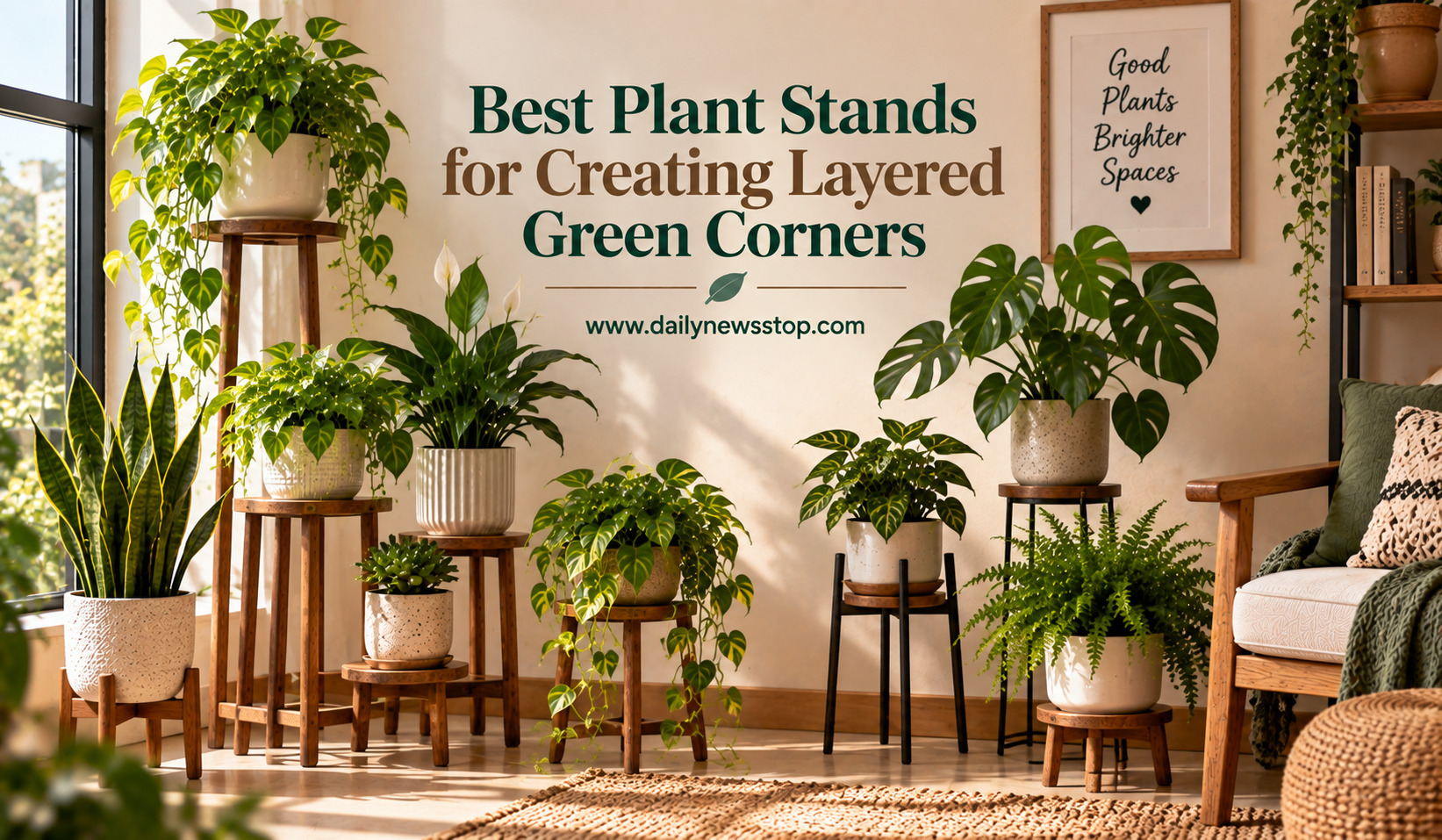
Indoor plants can instantly transform an empty corner into a lively and refreshing part of your home. However, placing every plant on the floor often makes the arrangement look flat and cluttered. This is where plant stands become an essential décor element. They create different levels, highlight the beauty of each plant, and help you design a balanced green corner without taking up unnecessary space.
Whether you have a modern apartment, a spacious living room, or a cozy bedroom, the right plant stand can turn a simple collection of plants into an eye-catching display. By combining different heights, materials, and plant sizes, you can create a layered green corner that looks stylish while keeping every plant healthy and accessible.
Why Plant Stands Are Perfect for Layered Green Corners
Plant stands do much more than lift pots off the floor. They create depth, improve airflow around plants, and allow sunlight to reach each plant more evenly. Instead of all your greenery sitting at one level, plant stands introduce height variation that naturally draws attention.
Layered plant displays also make a room appear more organized. Even if you own only a few plants, placing them at different heights creates the impression of a thoughtfully designed indoor garden.
Another advantage is flexibility. Plant stands can easily be moved whenever you want to refresh your décor or adjust plants according to seasonal light.
Types of Plant Stands for Stylish Green Corners
Tiered Plant Stands
Tiered plant stands are one of the best choices for creating layered displays. Multiple shelves allow you to arrange plants at different heights while occupying a relatively small floor area.
Large plants can be placed on the bottom level, medium-sized plants in the middle, and trailing plants on the top shelf for a cascading effect. This arrangement creates depth and keeps every plant visible.
Wooden Plant Stands
Wooden stands add warmth and blend beautifully with almost every interior style. They work especially well in Scandinavian, rustic, and contemporary homes.
Natural wood pairs perfectly with ceramic, terracotta, and woven planters while complementing wooden furniture throughout the room.
Metal Plant Stands
Metal stands provide a clean and modern appearance. Slim metal frames create an open look, making them ideal for compact apartments where bulky furniture may make the room feel crowded.
Black, gold, and matte metallic finishes pair well with minimalist interiors and neutral décor.
Corner Plant Stands
Corner plant stands are designed specifically to maximize unused corners. Their shape fits neatly into tight spaces while providing multiple levels for different plants.
These stands are excellent for living rooms, balconies, bedrooms, and home offices where floor space is limited.
Choose the Right Plant Stand Material
The material of your plant stand should match both your décor and lifestyle.
- Wooden stands create a warm and natural appearance.
- Metal stands suit modern and industrial interiors.
- Bamboo stands offer a lightweight, eco-friendly option.
- Engineered wood provides an affordable contemporary choice.
Instead of mixing too many finishes, repeat similar materials throughout the room for a more cohesive design.
Match Plant Stands With Different Plant Sizes
Creating layers is not only about stand height but also about choosing plants of different sizes.
Place larger plants on lower levels where they provide stability. Medium-sized plants work well on middle shelves, while compact or trailing plants can be positioned on higher levels.
This arrangement keeps every plant visible without one blocking another.
| Plant Size | Best Stand Position | Visual Effect |
| Large floor plants | Bottom level | Creates a strong base |
| Medium plants | Middle shelf | Adds fullness |
| Small plants | Upper shelf | Brings balance |
| Trailing plants | Top or side | Softens the arrangement |
Create a Balanced Green Corner
A beautiful green corner should feel natural rather than crowded. Start with one statement plant and build around it using smaller plants on stands of different heights.
Avoid placing every stand at the same height. Instead, create a gradual visual flow from low to high. Mixing leaf shapes also adds interest. Upright plants pair beautifully with round foliage and cascading vines.
Leave enough space between pots so each plant can be appreciated individually.
Use Empty Corners Effectively
Many homes have unused corners beside sofas, windows, or cabinets. These areas are perfect for layered greenery.
Place a tall plant beside the wall, add a medium-height stand next to it, and finish with a smaller tabletop stand or decorative planter. This simple arrangement transforms an empty corner into an attractive focal point.
Style Plant Stands With Your Home Décor
Plant stands should complement your furniture rather than compete with it.
Modern homes often look best with simple geometric stands and neutral planters. Traditional interiors pair well with wooden stands and terracotta pots, while bohemian spaces can combine woven baskets with natural wood finishes.
Keep the colour palette simple. Neutral pots allow the greenery to remain the centre of attention.
Combine Plant Stands With Decorative Accessories
Plant stands look even better when styled alongside carefully selected décor pieces.
A balanced green corner can include:
- A floor lamp for soft evening lighting.
- A woven basket for texture.
- A framed artwork or mirror.
- A small decorative stool or side table.
Avoid adding too many decorative objects. Plants should remain the primary feature of the display.
Layer Different Leaf Shapes
A layered display becomes more interesting when plants have different forms.
Combine broad-leaf plants with narrow upright foliage. Add trailing vines to soften the arrangement and small compact plants to fill visual gaps.
This variety creates depth while keeping the display natural and relaxed.
Best Rooms for Layered Plant Corners
Living Room
A layered plant corner beside the sofa or window adds freshness and makes the room feel complete. Tiered stands work especially well in larger living spaces.
Bedroom
Use compact wooden or metal stands with one or two calming plants to create a relaxing atmosphere. Avoid overcrowding the room.
Home Office
Plants placed at different heights can soften the workspace and make it feel more inviting. A slim corner stand works well beside a desk.
Balcony
Compact tiered stands help maximize vertical space while leaving enough room for seating and movement.
Keep Plant Stands Functional
Make sure every plant remains easy to water and maintain.
Avoid placing heavy pots on lightweight stands unless they are designed to support the weight. Stable positioning helps prevent accidental tipping.
Keep drainage trays beneath pots to protect flooring and furniture from water damage.
Common Styling Mistakes to Avoid
Many people buy beautiful plant stands but overlook the overall arrangement. Avoid these common mistakes:
- Using stands that are all the same height.
- Filling every shelf with plants.
- Mixing too many planter colours.
- Choosing oversized plants for small stands.
- Blocking natural walkways with plant displays.
A simple, balanced arrangement usually creates a more luxurious appearance than an overcrowded one.
Plant Care Tips for Display Stands
Plants displayed on stands require the same care as floor plants. Check soil moisture regularly, rotate pots occasionally for even growth, and clean leaves to keep them looking fresh.
Inspect stands periodically to ensure they remain stable, especially if they are placed near windows or balconies. Healthy plants and clean stands contribute equally to an attractive display.
Frequently Asked Questions
1. Which plant stand is best for creating layered green corners?
Tiered plant stands are one of the best options because they allow multiple plants to be displayed at different heights while using minimal floor space.
2. Are wooden or metal plant stands better?
Both are excellent choices. Wooden stands suit warm and natural interiors, while metal stands complement modern and minimalist homes.
3. How many plant stands should I use in one corner?
Two or three stands of varying heights usually create a balanced display. Avoid overcrowding the area with too many stands.
4. What plants look best on plant stands?
Snake plants, pothos, ZZ plants, peace lilies, spider plants, ferns, and trailing vines all work beautifully depending on the available light and the size of the stand.
5. How can I make a small plant corner look larger?
Use vertical stands, keep the floor uncluttered, repeat similar planter colours, and combine plants of different heights instead of placing everything at the same level.
Final Thoughts
Plant stands are one of the easiest ways to create beautiful layered green corners in any home. By adding height, structure, and balance, they transform ordinary houseplants into stylish décor features while making better use of available space.
Choose stands that complement your interior style, mix plant heights thoughtfully, and avoid overcrowding. Whether you prefer wooden, metal, tiered, or corner plant stands, a well-planned arrangement can bring depth, elegance, and natural beauty to your living space all year round.